
The California Homeowner’s Guide to Theft Protection (and Why Insurance Matters More Than Ever)
Living in California, you’ve got a lot to love: the beaches, the mountains, that endless sunshine. But here’s the thing. Even paradise has its challenges. For many homeowners, especially in places like the Inland Empire or the bustling neighborhoods of Los Angeles, one of those challenges is the constant worry about theft. It’s a sobering thought, isn’t it? That someone might break into your home and take the things you’ve worked so hard for.
Honestly, it’s not just a feeling; it’s a real concern. Property crime, including burglaries and larceny, remains a persistent issue across our state. You see the headlines. You hear stories from friends. And while we all hope it won’t happen to us, being prepared isn’t about fear. It’s about being smart.
What Your Homeowners Policy Actually Does for Theft
Let’s cut right to it. Your homeowners insurance policy isn’t just for fires or natural disasters. It’s your first line of defense against theft. Most standard policies – what we call an HO-3 policy in the industry – usually include coverage for personal property, meaning your stuff inside the house, and sometimes even things stolen from your car or a hotel room while traveling. That’s a big deal.
But here’s where it gets interesting. Not all theft coverage is created equal. Your policy has limits. Often, there’s a specific limit for certain high-value items like jewelry, watches, furs, or firearms. Say your policy covers up to $100,000 in personal property, but only $2,500 for jewelry. If a thief makes off with your grandmother’s diamond ring collection worth $15,000, your policy might only pay out that $2,500 unless you’ve taken extra steps. This is called a “special limits of liability” clause, and it’s something many folks overlook until it’s too late.
Which brings up something most people miss. To get full coverage for those precious items, you often need to “schedule” them. This means you list them individually on your policy, usually with an appraisal, and pay a little extra. It’s like buying a mini-policy just for that one item. For anyone with significant valuables, it’s a no-brainer.

The California Twist: A Changing Insurance Scene
You know how things are in California. Everything feels a little more… intense. Our insurance market is no different. We’ve seen some serious changes recently. Wildfires, for example, have pushed many insurers to pull back from certain areas or raise rates significantly. Premiums jumped, on average, 20-30% between 2022 and 2024 for many homeowners. Some folks in high-risk fire zones found themselves dropped by their long-time carriers like State Farm or Farmers.
So, what does this have to do with theft? Well, when insurers get nervous about one big risk (like fire), it can affect their appetite for *all* risks. They might tighten underwriting standards, even for perils like theft. Or they might look for ways to offset their wildfire exposure, perhaps by being less competitive on other coverages. It’s a balancing act for them.
The state’s FAIR Plan, designed as an “insurer of last resort,” primarily focuses on fire coverage. It doesn’t offer the same broad protection for theft and other perils that a standard policy does. If you’re on the FAIR Plan, you’ll definitely need a “Difference in Conditions” (DIC) policy to fill those gaps – and that’s where your theft coverage comes in. It’s a two-policy dance, and it’s becoming more common in places like Ventura County and the hills above the Valley.
Beyond the Policy: Real-World Theft Protection for Your Home
An insurance policy is great, but wouldn’t you rather *not* have to use it? Absolutely. Preventing a theft from happening in the first place saves you a ton of heartache, not to mention the hassle of replacing everything.
For most California homeowners, a layered approach works best. Think about it like an onion, with each layer adding more protection.
Deterrents That Actually Work
* Good Lighting: A well-lit home is a less appealing target. Motion-sensor lights are fantastic, especially around entry points.
* Landscaping: Keep bushes and trees trimmed. Tall, dense shrubs provide perfect hiding spots for burglars.
* Strong Locks: Don’t skimp on deadbolts. Make sure sliding glass doors have secondary locking bars.
* Alarm Systems: This is a big one. A visible alarm sign alone can send a thief packing. Monitored systems, where a central station gets an alert, are even better. Many insurers offer discounts for these.
* Security Cameras: Ring, Nest, Arlo – there are so many options now. They’re not just for catching culprits; they’re excellent deterrents. Just knowing they might be on camera makes a thief think twice.
But wait — what if you’re not home? Smart home technology has really changed the game here. You can control lights, thermostats, and even your front door lock from your phone, making it look like someone’s home even when you’re on vacation in Cabo. That’s a powerful tool.
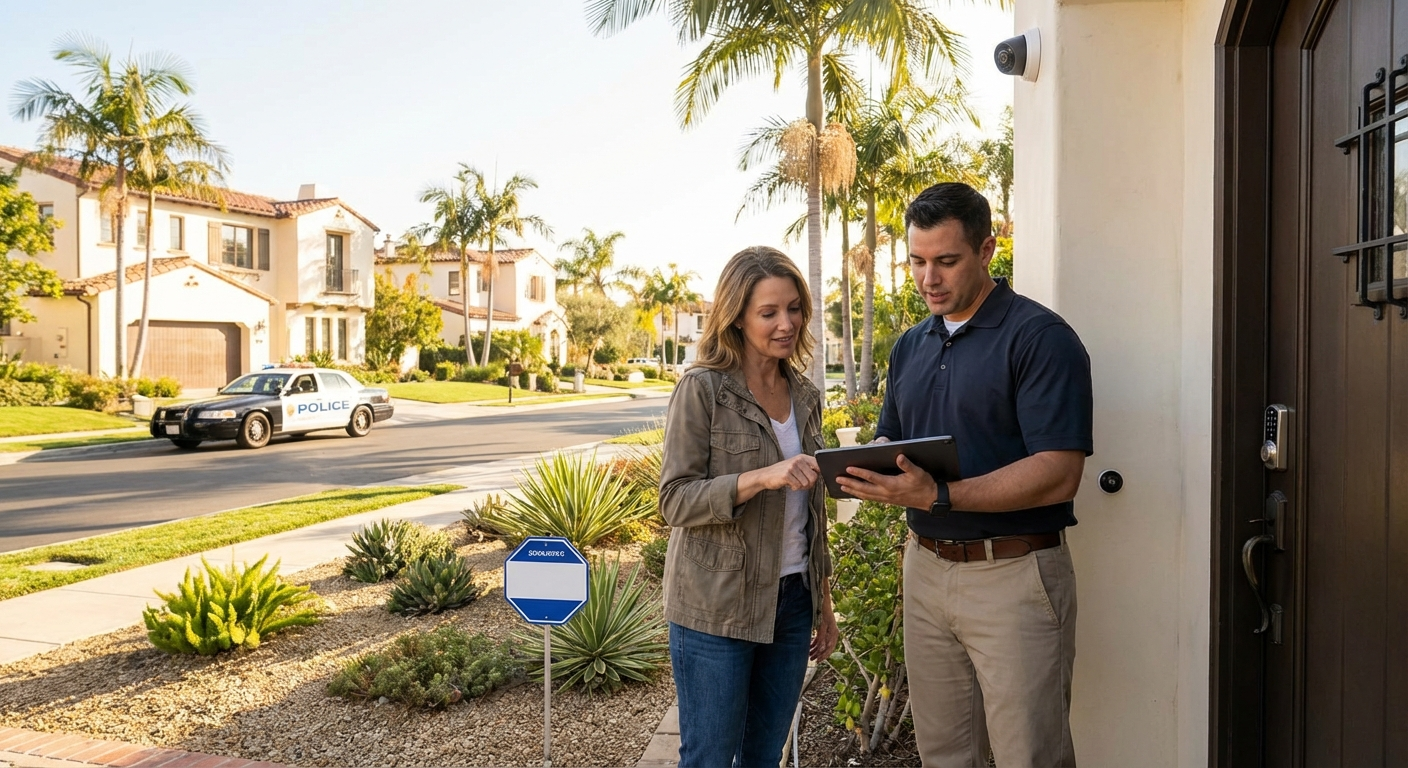
If the Worst Happens: Making a Theft Claim
Even with the best precautions, sometimes life throws you a curveball. If your home is burglarized, here’s what you need to do, fast.
1. Safety First: Don’t enter your home if you suspect a break-in. Call 911 immediately.
2. Police Report: The police will come, investigate, and file a report. You’ll need this report number for your insurance claim.
3. Document Everything: Take photos and videos of the damage and missing items *after* the police have cleared you to enter. Don’t touch or clean anything until they’ve finished their work.
4. Inventory: Make a detailed list of everything stolen. Include descriptions, serial numbers, and estimated values. This is where an existing home inventory really shines. If you don’t have one, start one today.
5. Contact Your Agent: Call your insurance agent as soon as possible. They’ll walk you through the claims process.
Remember, honesty is always the best policy when filing a claim. Insurance fraud is a serious crime, and it makes things harder for everyone.
Saving Money on Your Premiums: Smart Security Pays Off
Nobody likes paying more than they have to for insurance. Good news: many insurers reward you for making your home safer. Discounts for theft protection are pretty common.
* Alarm System Discount: This is probably the biggest one. If you have a centrally monitored alarm system, you’ll almost certainly get a break on your premium.
* Deadbolts & Security Features: Sometimes just having good quality locks and a fire extinguisher can earn you a small discount.
* Home Age & Construction: While not directly related to theft, newer homes or homes with certain construction types can sometimes get better rates overall.
It doesn’t hurt to ask your agent about every possible discount. You might be surprised what you qualify for.
Karl Susman and Los Angeles Homeowner Insurance: Your Trusted Advisor
Choosing the right homeowners insurance policy in California can feel overwhelming, especially with all the changes and unique challenges we face here. You need someone who understands the local quirks, the specific risks in your neighborhood, and how to get you the best protection without breaking the bank.
That’s where an independent agency like Los Angeles Homeowner Insurance comes in. We don’t work for one specific insurance company. Instead, we work for *you*. We can shop around with multiple carriers – from the big names to smaller, specialized insurers – to find a policy that fits your home, your assets, and your budget.
Karl Susman, CA License #0B75129, has spent years helping California homeowners protect their biggest investment. He knows the ins and outs of what’s happening with Prop 103, the FAIR Plan, and the ever-shifting preferences of insurers. It’s about more than just a policy; it’s about peace of mind.
Ready to talk about your home’s unique needs and how to best protect it from theft and other risks?
Get a Home Insurance Quote Today
Or if you prefer to chat, give us a call at (877) 411-5200. We’re here to help.
Frequently Asked Questions About California Homeowners Insurance and Theft
Q: Will my homeowners insurance cover something stolen from my car if it was parked at my house?
A: Generally, yes. Your personal property coverage usually extends beyond the walls of your home. So if your laptop gets swiped from your car in your driveway, your homeowners policy would likely cover it, subject to your deductible and any specific limits for items like electronics. Car insurance (auto policy) typically only covers damage to the car itself, not your personal belongings inside it.
Q: What’s the difference between Actual Cash Value (ACV) and Replacement Cost Value (RCV) for stolen items?
A: This is a big one. Actual Cash Value (ACV) pays you the depreciated value of your stolen item. Think about it like this: if your 5-year-old TV was stolen, ACV would pay you what that 5-year-old TV was worth *today*, not what a brand-new one costs. Replacement Cost Value (RCV), on the other hand, pays you what it would cost to buy a brand-new, similar item. Most people prefer RCV because it allows you to truly replace what you lost. Always check your policy to see which one you have.
Q: Are there any types of theft that homeowners insurance *won’t* cover?
A: Absolutely. Most policies won’t cover theft if your home has been vacant for a long period – usually 30 to 60 days, depending on the insurer. If you’re going to be away for an extended time, you might need special endorsement or a different type of policy. Also, theft by a tenant or someone renting a room in your house is usually excluded. And, of course, if you’re involved in the theft yourself, that’s definitely not covered!
Q: How does my deductible affect a theft claim?
A: Your deductible is the amount you pay out-of-pocket before your insurance kicks in. If your deductible is $1,000 and a thief steals items worth $1,500, your insurer would pay you $500. For smaller theft losses, sometimes it doesn’t make sense to file a claim if the value of the stolen goods is close to or less than your deductible. You want to weigh the payout against potentially higher premiums down the road.
Finding the right protection for your California home means understanding the nuances of your policy and the specific risks you face. Don’t leave it to chance.
Get a personalized home insurance quote for your California property today.
This article is for informational purposes only and does not constitute financial advice.