
- What makes second home insurance different in California.
- How wildfires, earthquakes, and floods impact your policy.
- The risks of vacancy and short-term rentals.
- Tips for finding the right coverage and managing costs.
Understanding California Second Home Insurance: Your Step-by-Step Guide
Buying a second home in California? Maybe it’s a cozy cabin in Big Bear, a beach house in Malibu, or a quiet retreat near Palm Springs. Owning that slice of paradise feels amazing. But here’s the thing: insuring it isn’t quite the same as protecting your primary residence. It’s often more complicated, sometimes pricier, and definitely requires a closer look at the fine print.
Many folks assume their existing home insurer will just tack on another policy, business as usual. Not always. California’s unique risks – wildfires, earthquakes, and floods – along with the different ways we use second homes, mean you’ll need a tailored approach. Let’s walk through it.
1. The “Non-Owner Occupied” Reality
Your primary home is where you live, eat, sleep. Insurers love that. It means someone’s usually there, keeping an eye on things, ready to spot a leaky pipe or a flickering wire. A second home, by its very nature, is often vacant. Maybe it’s empty for weeks, even months, between your visits. That’s a bigger risk for insurance companies.
Think about it: an undetected water leak can cause massive damage in an empty house. A small electrical issue could turn into a full-blown fire before anyone notices. Vandalism or theft? Much easier when no one’s home. Because of this, second homes are typically classified as “non-owner occupied.” This classification changes everything, from the types of policies available to the cost of your premiums. You might find some insurers hesitant to even offer coverage, especially in certain high-risk areas.

2. Navigating California’s Wildfire Maze
Honestly, this is the biggest headache for second homeowners in California right now. Wildfires aren’t just a threat in the mountains; they’re a reality across vast swathes of the state, from the hills of Ventura County to the forests around Lake Tahoe, even parts of the Inland Empire. The 2025 LA fires are a stark reminder of how quickly things can change.
Insurers like State Farm, Farmers, and AAA have been tightening their belts, pulling back from areas they deem too risky. Many homeowners, especially those with second homes in brush-heavy zones, have faced non-renewals or sky-high premium increases. Some have seen their rates jump 40% between 2022 and 2024. If you’re buying a second home in a designated “high-fire severity zone”—and many desirable vacation spots are—expect challenges.
You’ll likely be asked about brush clearance, defensible space, and maybe even the type of roof and siding your home has. If you can’t get traditional coverage, the California FAIR Plan might be your only option. It’s a “last resort” insurer, mandated by the state, but it often provides less comprehensive coverage and can still be pricey. Plus, it usually only covers fire and extended perils, meaning you’ll need a “Difference in Conditions” (DIC) policy from another insurer to cover things like theft or liability. Big difference.
3. The Earthquake and Flood Factor: Separate Policies
Standard homeowners policies, whether for a primary or second home, almost never cover earthquake or flood damage. California sits on major fault lines, and we’ve got a lot of coastline and rivers. So, these are real concerns.
For earthquakes, you’ll need a separate policy, often from the California Earthquake Authority (CEA). The CEA offers various deductibles and coverage limits, and your premium will depend on your home’s age, construction type, and location. Older homes, especially those not retrofitted, will cost more to insure. It’s not cheap, but a major quake could wipe out your investment without it. Many second homeowners skip this, thinking “it won’t happen to me.” That’s a gamble.
Flood insurance comes from the National Flood Insurance Program (NFIP), which is federal. If your second home is in a designated flood zone—and coastal properties or homes near rivers like the Russian River in Sonoma County often are—your lender will likely require it. Even if it’s not required, a flash flood can happen anywhere. Consider the damage from atmospheric rivers that slammed Northern California recently. A few inches of water can cause tens of thousands of dollars in damage.
4. Vacancy and Rental Clauses: Read the Fine Print
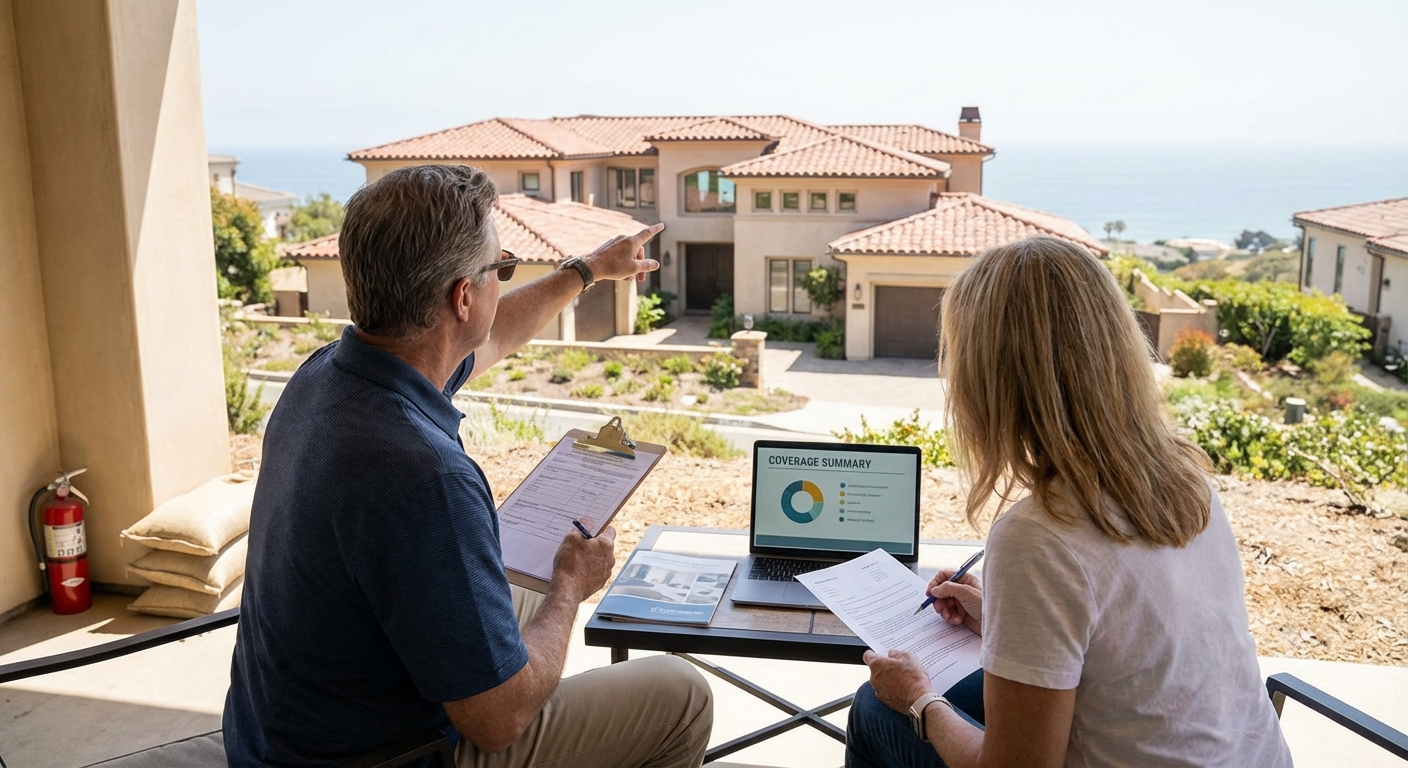
This is where many second homeowners get tripped up. Most standard homeowners policies have a “vacancy clause.” This means if your home is vacant for a certain period—often 30, 60, or 90 days, depending on the insurer—certain types of coverage might be reduced or even voided entirely. Imagine a pipe bursts while you’re away for four months. If your policy has a 60-day vacancy clause, you might be out of luck for the water damage claim.
What if you rent out your second home on Airbnb or VRBO? That’s a whole other ballgame. Your standard homeowners policy is absolutely not designed for commercial rental activity. It’ll likely deny any claims related to a paying guest. You’d need a different type of policy, often called a “dwelling fire” (DP3) policy with a specific short-term rental endorsement, or even a commercial policy. These policies cover things like guest injuries, damage caused by renters, and lost rental income. Don’t assume your personal policy has your back here. It won’t.
5. Finding the Right Policy (and the Right Agent)
With all these complexities, shopping for second home insurance in California isn’t a DIY job. You can’t just plug your address into an online quote tool and expect an accurate, comprehensive answer. You need someone who understands California’s unique insurance market, its regulations, and the specific challenges of second homes.
An independent insurance agent, like Karl Susman at Los Angeles Homeowner Insurance (CA License #0B75129), works with multiple insurance companies. They can compare policies, explain the nuances, and help you find coverage that actually fits your situation – not just a generic plan. They’ll know which carriers are still writing in high-fire areas, what the latest FAIR Plan changes mean, and how to properly insure your short-term rental.
Don’t settle for the first quote you get. Ask tough questions. Understand your deductibles, coverage limits, and any exclusions. It’s your investment, after all.
Ready to explore your options for California second home insurance? Get a personalized quote today.
6. Managing Your Costs: Smart Strategies
Premiums for second homes can feel steep, especially in California. But there are ways to manage them.
- Higher Deductibles: Choosing a higher deductible (the amount you pay out of pocket before insurance kicks in) can significantly lower your premium. Just make sure it’s an amount you could comfortably afford if you had a claim.
- Mitigation Efforts: For wildfire risk, actively maintaining defensible space around your property can make a difference. Clearing brush, trimming trees, and having fire-resistant landscaping shows insurers you’re serious about protection. Some carriers even offer discounts for these efforts or for homes with fire-resistant materials.
- Security Systems: A monitored alarm system, especially one with smart home features like water leak detectors, can reduce the risk of theft and other damage, potentially earning you a discount.
- Bundle (Sometimes): While bundling your second home policy with your primary home policy might seem logical, it’s not always possible or beneficial with second homes, especially if they’re in high-risk areas. Your agent can advise if this makes sense for your specific situation.
- Shop Around Annually: The insurance market is always shifting. What was a good deal last year might not be this year. Have your agent review your policy and get new quotes every year or two.
7. The Evolving California Insurance Market
California’s insurance market is in flux. Prop 103, which regulates insurance rates, is being re-evaluated, and the California Department of Insurance (CDI) is working on reforms. These changes could bring more insurers back to the state or alter how rates are calculated. But it’s a slow process. For now, expect a challenging market, especially for second homes.
This means staying informed and working with an agent who’s on top of these changes is more important than ever. What’s true about coverage today might not be tomorrow. That’s not the whole story. The long-term outlook remains uncertain, but diligence on your part will always pay off.
Don’t leave your California dream home exposed to unnecessary risks. Connect with Karl Susman at Los Angeles Homeowner Insurance (CA License #0B75129) or call (877) 411-5200 for expert guidance on securing the right homeowners insurance for your second home.
Frequently Asked Questions About California Second Home Insurance
Q: Is second home insurance more expensive than primary home insurance in California?
A: Generally, yes. Second homes are considered higher risk because they’re often vacant for extended periods, increasing the chance of undetected damage, theft, or vandalism. This higher risk translates to higher premiums and sometimes more limited coverage options.
Q: Can I use my primary home’s insurance company for my second home?
A: You might be able to, but it’s not guaranteed. Some insurers prefer not to cover second homes, especially in high-risk areas like wildfire zones. Even if they do, the policy will be structured differently, often with specific clauses for non-owner occupancy. It’s always best to compare options with an independent agent.
Q: What if I only use my second home a few weeks a year? Does that count as “vacant”?
A: Yes, absolutely. Most policies define “vacancy” as periods where the home is unoccupied for 30, 60, or 90 consecutive days, depending on the insurer. Even if you visit periodically, long stretches without anyone living there can trigger vacancy clauses, potentially impacting your coverage if a claim occurs during those times.
Q: Do I need separate earthquake and flood insurance for my second home?
A: Yes. Standard homeowners insurance policies in California do not cover damage from earthquakes or floods. You’ll need separate policies for each, typically from the California Earthquake Authority (CEA) for quakes and the National Flood Insurance Program (NFIP) for floods. These are crucial protections in California.
Q: What happens if I rent out my second home on Airbnb without telling my insurer?
A: That’s a huge risk. Your standard homeowners policy isn’t designed for commercial activity like short-term rentals. If a paying guest gets injured or damages your property, your insurer will almost certainly deny the claim. You need a specific dwelling fire policy with a short-term rental endorsement, or a commercial policy, to be properly covered for rental income and guest-related liabilities.
This article is for informational purposes only and does not constitute financial advice.