Building Your California Dream Home? Don’t Forget the Foundation of Protection.
The Millers had a vision. After years of dreaming and saving, they finally bought a pristine, empty lot nestled in the hills just outside Santa Clarita. Picture it: sweeping views of the valley, oak trees dotting the landscape, and the promise of a custom-built home designed exactly to their specifications. They spent months with architects, poring over floor plans, picking out reclaimed wood beams, and imagining Sunday brunches on their future patio. Building a new home in California, they soon realized, was an exhilarating, slightly terrifying adventure. But amidst the excitement of choosing quartz countertops and smart home tech, one big question kept nagging at them: how do you insure a house that isn’t even built yet?
It’s a common question, and one that trips up many hopeful homeowners across the Golden State. You’d think a brand-new home, built to modern codes with all the latest fire-resistant materials, would be a breeze to insure. The short answer is yes, eventually. The real answer is more complicated, especially in California’s current insurance climate.
Before the First Nail: Builder’s Risk Insurance
Construction is a messy business. Before your beautiful new home stands tall, it’s a vulnerable work-in-progress. Think about it: materials sitting on site, exposed to weather. Subcontractors coming and going. The risk of theft, vandalism, or an accidental fire is very real. This is where something called “builder’s risk insurance” comes in.
Most of the time, your general contractor will carry this policy. It protects the structure itself, the materials on site, and even tools and equipment against a range of perils during the construction phase. Things like fire, theft, wind damage, and vandalism are usually covered. For the Millers, their contractor, a seasoned pro working in Ventura County for decades, had a robust builder’s risk policy in place. But here’s where it gets interesting. While the contractor’s policy covers *their* interests, you, as the future homeowner, might also want to ensure *your* investment is protected, especially if you’re providing some of the materials or funding directly. Sometimes, the policy details can be surprisingly specific about what’s covered and by whom.
So, while your builder handles the heavy lifting of the actual construction, it’s always smart to ask for a copy of their builder’s risk policy and understand what it covers. You might find gaps that you’d want to fill with your own coverage, particularly if you’re acting as your own general contractor or hiring multiple trades directly. Because what if a massive windstorm – not uncommon in places like the Santa Clarita Valley – tears through the partially framed structure? You want to know who’s on the hook for those repairs.
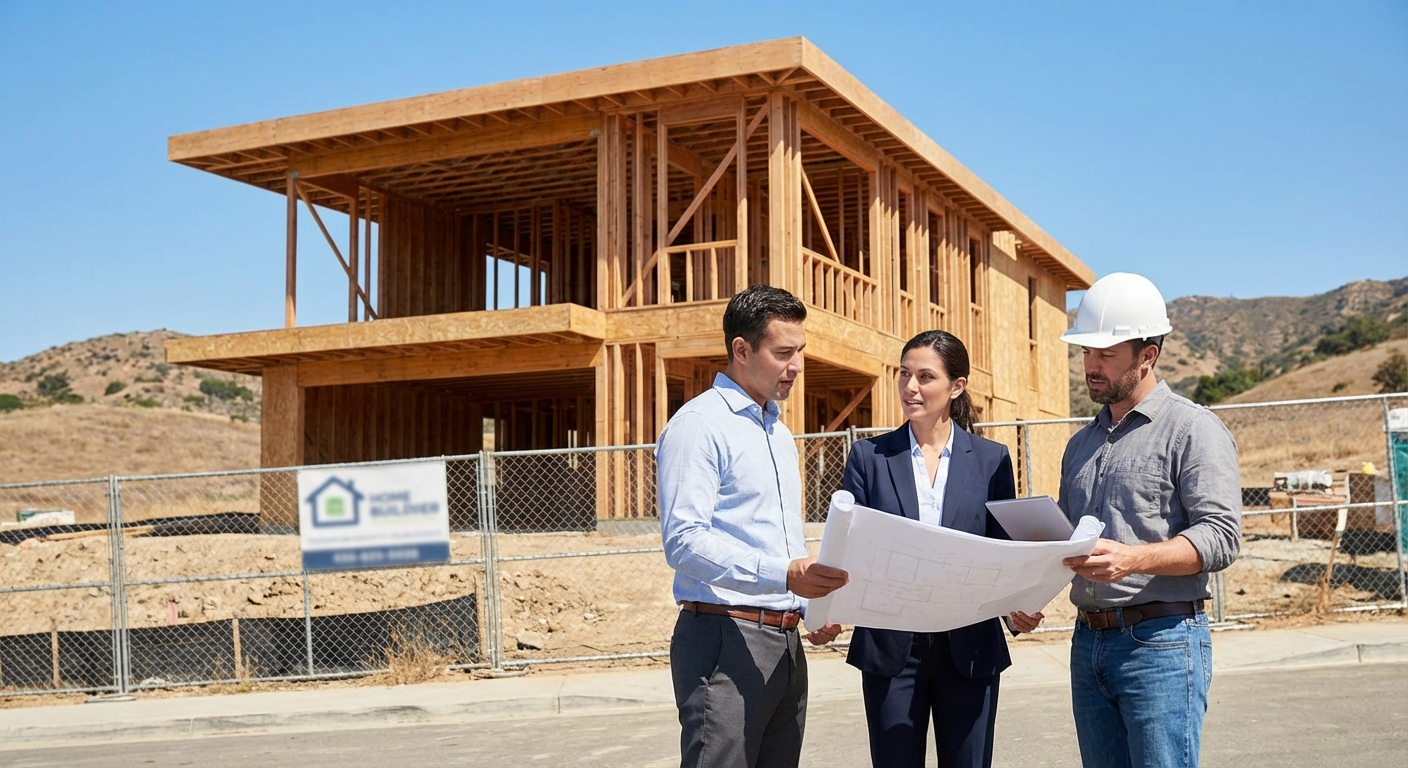
From Construction Site to Home Sweet Home: The Shift to Homeowner’s Insurance
Once the last nail is hammered, the final coat of paint is dry, and you’ve got your certificate of occupancy, the builder’s risk policy typically expires. That’s your cue to switch gears to a standard homeowner’s insurance policy. But again, in California, this isn’t always a straightforward process, even for a brand-new build.
Many homeowners building new places assume their home will be automatically more attractive to insurers. After all, it’s new! It meets all the latest codes! It has fire-resistant siding! While these factors are definitely a plus, they don’t magically erase the challenges of insuring property in a state grappling with intense natural disaster risks.
The Millers, for example, had done everything right. Their home incorporated sprinklers, a fire-resistant roof, and they even planned for extensive defensible space around their property, a lesson learned from the devastating 2017 Thomas Fire that scorched so much of Ventura County. Still, when they started getting homeowner’s insurance quotes, they hit a wall.
The California Conundrum: Why New Isn’t Always Easy
California’s insurance market has been through a rough patch. If you’ve been paying attention, you’ve seen the headlines: major carriers like State Farm and Allstate have pulled back, limiting new policies or increasing premiums significantly. Farmers Insurance, AAA, and others have adjusted their offerings. This isn’t just about older homes; it impacts new construction too.
Why? Well, it mostly boils down to risk. Wildfires, for instance, don’t care if your house was built yesterday or fifty years ago. They care about the fuel load around it, the wind, and the topography. Even with the best fire-resistant materials, a home in a high-risk wildfire zone still carries a higher probability of loss for an insurer. Premiums across the state, even in areas like parts of the Inland Empire that might feel less exposed, have jumped, sometimes 30-40% between 2022 and 2024 for many homeowners.
Which brings up something most people miss. Even if your new home is built with every conceivable fire-hardening feature, its *location* often dictates how insurers view the risk. If it’s in a designated “wildland-urban interface” area, it’s going to be harder to insure with traditional carriers. That’s just the reality.
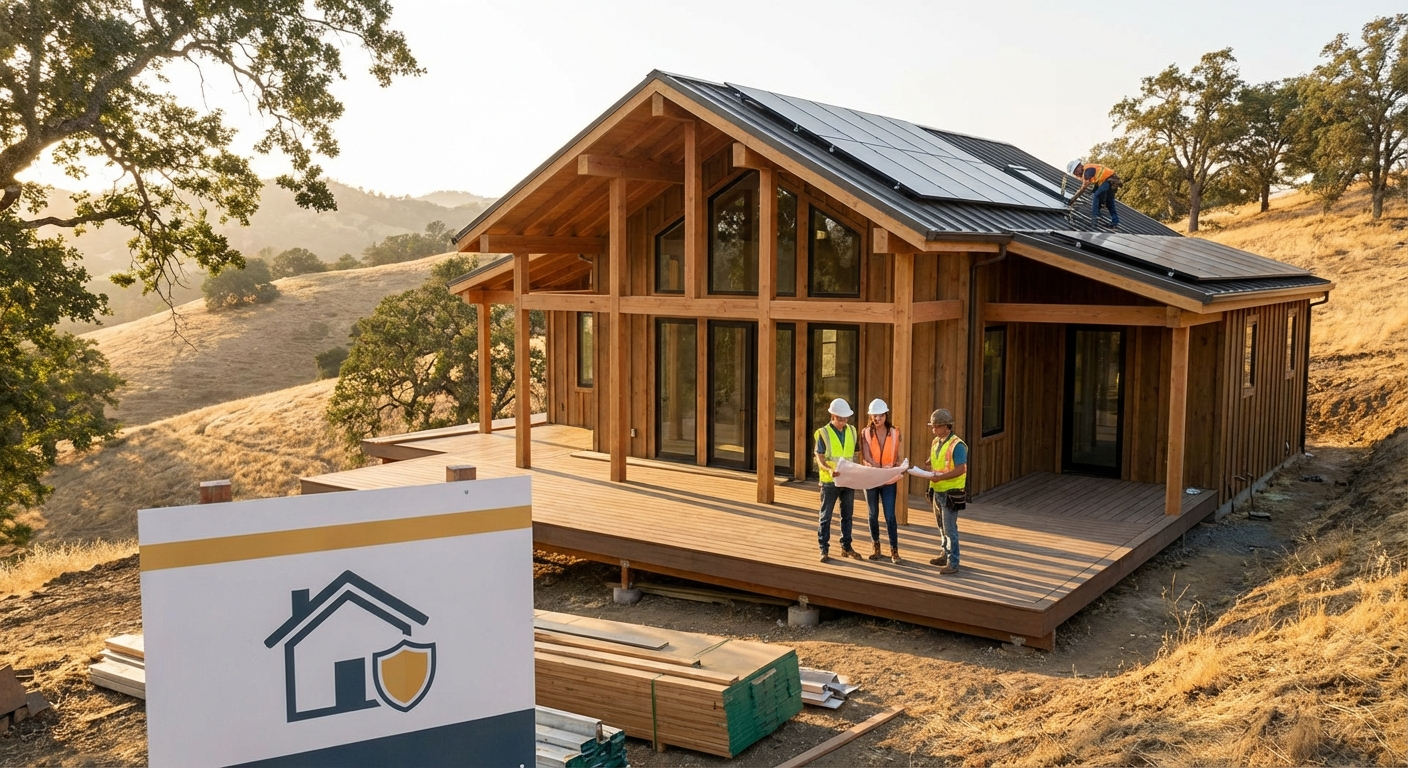
Finding Your Coverage: It Takes an Expert
So, what’s a new homeowner to do? This is precisely where an independent insurance agent, someone like Karl Susman of Los Angeles Homeowner Insurance, becomes incredibly valuable. Agents like Karl, with CA License #OB75129, don’t just work with one company. They have access to multiple carriers, including those specialty insurers who might be more willing to write policies for unique or higher-risk properties – even brand-new ones in challenging locations.
They understand the nuances of California’s market, from the ever-changing underwriting rules to the specifics of Prop 103, which governs how insurance rates are approved in the state. They know which carriers are still writing in specific zip codes and which ones are looking for certain types of new construction.
When the Millers were struggling to get reasonable quotes for their Santa Clarita home, it was an agent like Karl who knew which smaller, regional carriers were still open for business in their particular area. He also helped them understand the importance of documenting all their fire-hardening efforts – the Class A roof, the ember-resistant vents, the 100 feet of defensible space. These details can make a big difference in getting an offer.
What Your New Home Policy Will Cover (and What it Might Not)
A standard homeowner’s policy, often called an HO3, covers your dwelling, other structures (like a detached garage or shed), your personal belongings, liability, and additional living expenses if you’re displaced. For a new build, the “replacement cost” value is usually straightforward – it’s what it cost to build it. But don’t forget the extras.
* **Earthquake Insurance:** In California, this is almost always a separate policy. You built a beautiful new home, but the San Andreas Fault doesn’t care. Many homeowners opt for coverage from the California Earthquake Authority (CEA) or private insurers.
* **Flood Insurance:** Just because you’re on a hill doesn’t mean you’re safe from flood. Drainage issues, heavy rains, or proximity to a creek can put even new homes at risk. The National Flood Insurance Program (NFIP) is often the first stop, but private flood options exist too.
* **Fair Plan:** If you absolutely cannot find traditional insurance, California has the FAIR Plan, which acts as a “last resort.” While it offers basic fire coverage, it’s often more expensive and less comprehensive than a standard policy. Recent changes mean you can often “wrap around” a FAIR Plan policy with a separate “Difference in Conditions” (DIC) policy for additional perils like liability and theft. It’s not ideal, but it’s an option many new homeowners in high-risk areas, like those near the Angeles National Forest, find themselves considering.
Tips for Insuring Your New California Home
1. **Start Early:** Don’t wait until the last minute. Begin exploring homeowner’s insurance options several months before your projected completion date.
2. **Document Everything:** Keep meticulous records of all your construction plans, materials used (especially fire-resistant ones), and any certifications. Photos and videos of the building process can also be helpful.
3. **Prioritize Fire Hardening and Defensible Space:** These aren’t just good ideas; they can be critical for securing insurance. Even for a new build, creating and maintaining defensible space is non-negotiable in many areas.
4. **Work with an Independent Agent:** An agent like Karl Susman can be your best advocate. They know the market and can shop around for you. Call Karl Susman at (877) 411-5200 to get the conversation started.
5. **Understand Your Policy:** Don’t just sign on the dotted line. Know your deductibles, what’s covered, and what’s excluded. Ask questions!
Building a home is a monumental achievement. Protecting that investment, especially in California, demands attention and expertise. Don’t let the complexities overshadow the joy of moving into your dream home.
Ready to explore your home insurance options for your new California construction? Get a personalized quote today and build with confidence. Click here to get a quote!
Frequently Asked Questions About New Construction Home Insurance in California
Does my builder’s risk policy automatically become my homeowner’s insurance?
Not at all. Builder’s risk is temporary and covers the construction phase. Once the home is completed and gets its certificate of occupancy, you’ll need a separate, permanent homeowner’s insurance policy.
How does my new home’s location affect my insurance in California?
Location is a huge factor. If your new home is in a high-risk wildfire zone, a designated flood area, or even an area prone to severe brush fires (like many parts of the Valley or foothills), you might find fewer traditional carriers willing to offer coverage, or premiums will be higher. Even with fire-resistant building materials, the surrounding environment plays a big role.
Will my new home be cheaper to insure than an older home?
Not always. While new construction with modern codes and materials can sometimes lead to lower premiums for certain perils, California’s overall insurance market challenges, particularly related to wildfire and other natural disasters, mean that “new” doesn’t automatically equal “cheap.” Your location and the specific carrier’s underwriting rules will often outweigh the newness factor.
Do I need earthquake and flood insurance for a brand-new home?
Absolutely. Neither earthquake nor flood damage is typically covered by a standard homeowner’s policy, regardless of when your home was built. Given California’s seismic activity and varied topography, separate earthquake and flood policies are often a smart and necessary investment for any homeowner, new or old.
When should I start looking for homeowner’s insurance for my new build?
It’s best to start the process a few months before your anticipated completion date. This gives you time to shop around, understand your options, and secure a policy that will be active the moment your builder’s risk coverage ends. An independent agent like Karl Susman, CA License #OB75129, can help you navigate this timeline efficiently.
For a clearer path to protecting your brand-new California home, don’t hesitate. Reach out to Karl Susman and the Los Angeles Homeowner Insurance. Start your quote process now!
This article is for informational purposes only and does not constitute financial advice.