
What You’ll Learn
This guide will walk you through the often-confusing world of home insurance vacancy clauses in California. You’ll discover what these clauses actually mean for your policy, the difference between a “vacant” and “unoccupied” home, and why insurers care so much about empty houses. We’ll cover the serious consequences if you ignore these rules and, most importantly, give you practical steps to protect your coverage and your peace of mind. Consider this your roadmap to avoiding a nasty surprise when you need your insurance most.
1. Understanding What “Vacant” Really Means to Your Insurer
Honestly, most folks don’t give a second thought to their home insurance policy until they really need it. But here’s the thing: tucked away in that stack of papers is likely a “vacancy clause.” This little detail can make a huge difference if your home sits empty for a while. For most California homeowners, the idea of an empty house seems harmless enough. Not to an insurance company, though.
So, what exactly does “vacant” mean? It’s not just that nobody’s home. An insurer typically defines a vacant property as one that lacks both people and enough personal property to support living there. Think about it: if you move everything out – your furniture, your clothes, your kitchenware – and don’t intend to return, your home is likely considered vacant. This is a big distinction from a home that’s merely “unoccupied.”
What’s the difference? Unoccupied means no one’s living there, but all your stuff is still inside, and you fully intend to come back. Maybe you’re on an extended vacation to Europe, or you’re staying with family for a few months. Your home still has your sofa, your TV, your pots and pans. That’s usually okay. Vacant? That’s when the policy language gets tricky. Companies like State Farm, AAA, and Farmers all have their own specific wording, but the core idea remains: no signs of life, no stuff, no intention to return.
Why do they care? Empty homes are magnets for trouble. They’re more likely to be targeted by vandals or burglars. A small leak in a pipe could turn into a catastrophic flood without anyone there to notice. A minor electrical issue could spark a fire, burning through a beautiful home in Ventura County before anyone even smells smoke. Insurers see these situations as much higher risks, and they write their policies to reflect that.
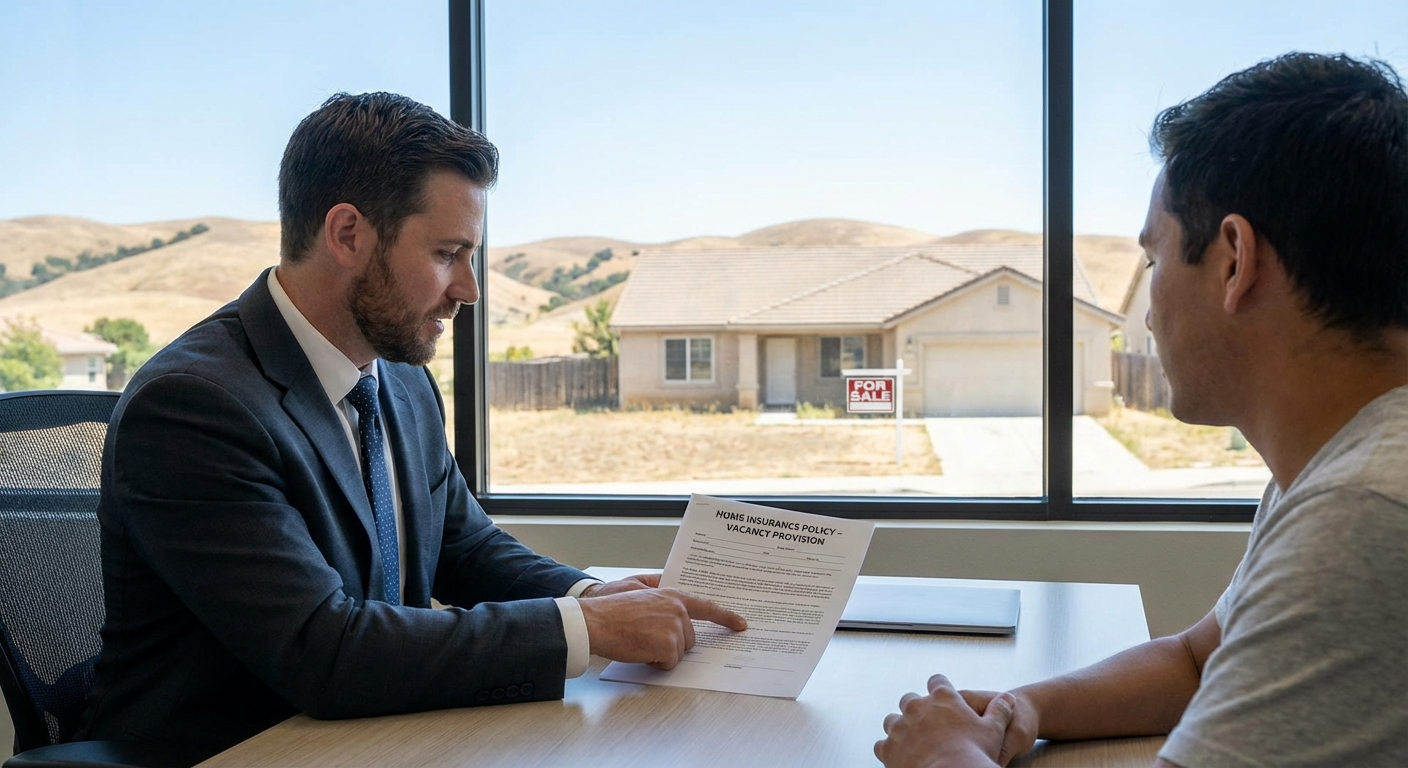
2. When a Vacancy Clause Kicks In and What Happens Next
Most standard homeowner policies in California will include a vacancy clause that limits or even cancels coverage if your home is vacant for a specific period. This period varies, but you’ll often see 30, 60, or 90 days. Once that clock runs out, if your home is still considered vacant, you’re in a tough spot.
Imagine you’ve sold your home in the Inland Empire, but the new owners won’t close for another two months. You’ve already moved all your belongings to your new place. Sixty days pass. Then, a pipe bursts in the empty house, causing massive water damage. You file a claim. Your insurer looks at the calendar, sees the home was vacant for over 60 days, and suddenly, that claim you thought was a sure thing gets denied. Big difference.
Or maybe you’ve inherited a property in the Valley and it’s taking time to sort through. You haven’t moved anything in, and you’re not living there. If a fire starts due to faulty wiring, your policy might not pay out a dime because the vacancy clause was triggered. The consequences can be severe: outright denial of a claim, reduced payouts for certain types of damage, or even a complete cancellation of your policy. It’s not a pretty picture.
This isn’t about trying to trick anyone. It’s about the increased risk. An insurer’s job is to assess risk, and an empty home is just riskier. They’re not being mean; they’re protecting their bottom line, just like you’d protect yours.
3. Proactive Steps Before Your Home Becomes Empty
The best defense against a vacancy clause problem is a good offense. Don’t wait until your home is empty to think about it. If you anticipate your home will be vacant for more than a month or two, pick up the phone. Call your insurance agent. Someone like Karl Susman at Los Angeles Homeowner Insurance, CA License #0B75129, can walk you through your specific policy and options. It’s what they’re there for.
Here’s where it gets interesting. Many insurers offer endorsements – basically, add-ons – to your existing policy that can extend coverage for a vacant home for a specific period. This might cost a bit extra, but it’s a small price to pay for peace of mind. Sometimes, if the vacancy is going to be very long-term, you might need a completely separate “vacant home insurance” policy. These policies are designed specifically for empty properties and cover the unique risks involved.
Always review your policy document. Seriously. Read the fine print about vacancy. Understand the specific number of days, what types of losses are excluded, and what you need to do to maintain coverage. Don’t assume. Assuming could cost you hundreds of thousands of dollars if a major incident occurs.
But wait — what if you’re just going away for a few months? That’s usually the “unoccupied” scenario. Even then, it’s smart to let your agent know. They might have tips for mitigating risk, like having a neighbor check on the place regularly. Transparency with your insurer or agent is always the smart play.
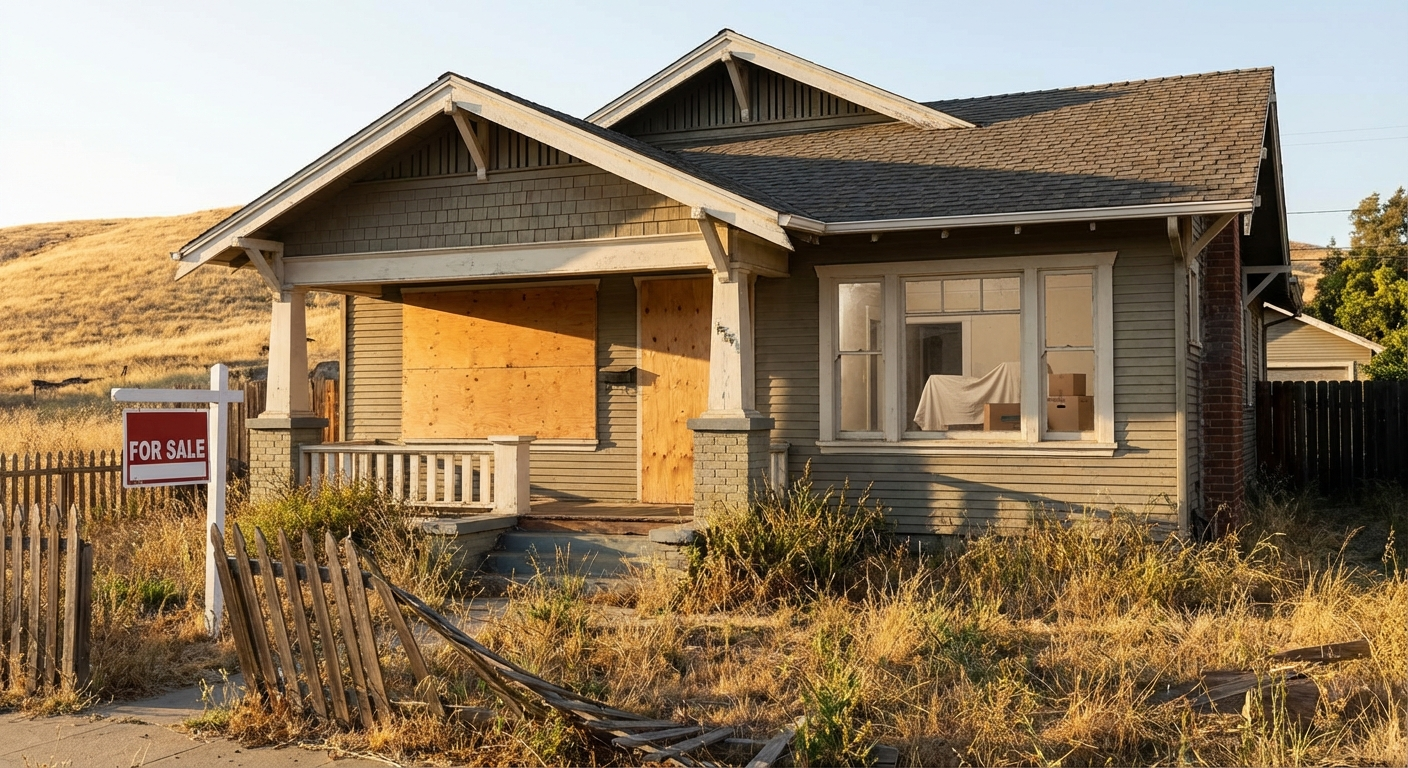
4. Managing a Vacant Property in California’s Unique Climate
California presents its own set of challenges for any homeowner, but especially for those with vacant properties. We’re talking about wildfires, earthquakes, and even just the extreme heat of places like Palm Springs or the high desert. A vacant home is even more vulnerable.
If you have a vacant property, someone needs to be checking on it regularly. This isn’t just about deterring vandals. It’s about maintenance. In a state prone to wildfires, keeping brush cleared around a vacant home in, say, Santa Barbara or Malibu isn’t just a good idea; it’s often a requirement from your insurer or local fire department. If a fire sparks up, an unchecked vacant home with overgrown landscaping is a massive liability.
Consider the utilities. Should you turn off the water? Maybe, to prevent burst pipes, but then you lose the ability to water any landscaping, which could dry out and become a fire hazard. Should you keep the electricity on? Absolutely, for security systems and to keep the house from getting too hot or cold, preventing mold or other structural issues. A smart thermostat, for instance, can help manage temperatures remotely, giving the impression someone is still home.
Maintaining a vacant property in California isn’t a passive activity. It requires active management, whether by you, a trusted friend, or a professional property management service. These services can be an invaluable asset, especially if you’re far away. They’ll handle mail collection, perform regular walk-throughs, and ensure the property looks lived-in. This is especially true now, with the challenges facing the California insurance market. With companies like State Farm pulling back, getting new coverage for a vacant home can be tough.
5. Navigating the California Insurance Market with a Vacant Home
It’s no secret that California’s home insurance market has been a bit turbulent lately. Premiums jumped 40% between 2022 and 2024 for many. Major insurers have either stopped writing new policies or significantly restricted their coverage, especially in high-risk areas like those near wildfire zones. This makes managing a vacant home’s insurance even more difficult.
If your home becomes vacant and your current policy drops you or won’t extend coverage, finding a new policy can be a real challenge. You might find yourself looking at the California FAIR Plan – the state’s “insurer of last resort.” While the FAIR Plan provides basic fire insurance, it’s not a full homeowner’s policy. It doesn’t cover things like theft or liability, and its vacancy provisions can be just as strict, if not stricter, than private insurers.
Which brings up something most people miss. Prop 103, which regulates insurance rates in California, helps keep premiums fair, but it doesn’t force insurers to cover every risk, especially those they deem too high. A vacant home, particularly in a wildfire-prone area, is often seen as just that: too high a risk for standard policies.
So, what’s a homeowner to do? Again, the key is communication and planning. Don’t just assume your existing policy will cover a vacant home. It almost certainly won’t for long. If you’re selling, moving, or renovating, talk to an experienced California agent like Karl Susman at Los Angeles Homeowner Insurance (CA License #0B75129) well in advance. They can help you explore specific vacant home policies or endorsements that fit your situation. Sometimes, they can even help you find specialty carriers that focus on these types of risks. Getting a quote is easy and can save you a lot of headache down the road. Check out your options here: https://losangeleshomeownerinsurance.com/quote/.
It’s not just about finding *any* policy; it’s about finding the *right* policy that actually protects you. Don’t let a vacancy clause turn your peace of mind into a financial nightmare. Take control of your coverage now. Get a quote and see what’s available for your specific situation: https://losangeleshomeownerinsurance.com/quote/.
Frequently Asked Questions About Vacancy Clauses
Q: What’s the main difference between “vacant” and “unoccupied” in insurance terms?
A: A home is typically “vacant” when it lacks both residents and personal property, with no intention for anyone to return soon. Think of it as truly empty. “Unoccupied” means no one is currently living there, but your personal belongings are still inside, and you fully intend to return – like during an extended vacation. Vacancy clauses usually only apply to truly vacant homes.
Q: How long can my California home be vacant before my insurance policy is affected?
A: This varies by insurer and policy, but most standard homeowner policies will have a limit of 30, 60, or 90 days. After this period, coverage may be limited, reduced, or even entirely denied if a claim arises. Always check your specific policy documents or ask your agent.
Q: If my home is vacant, will my standard homeowner’s policy still cover fire or natural disasters?
A: Not always. Once a vacancy clause is triggered, many standard policies will exclude or severely limit coverage for various perils, including fire, vandalism, and even some natural disasters. This is why it’s so important to get a vacant home endorsement or a separate vacant home policy.
Q: Can I get insurance for a home that’s already vacant?
A: Yes, but it can be more challenging and potentially more expensive than adding an endorsement to an existing policy before the home becomes vacant. You’d likely need to seek out a specialty vacant home insurance policy from a carrier that focuses on these risks. The California FAIR Plan might offer basic fire coverage, but it’s not a full homeowner’s policy.
Q: What should I do if I know my California home will be vacant soon?
A: The first step is to contact your insurance agent immediately. Discuss your plans and ask about your policy’s specific vacancy provisions. They can help you explore options like purchasing a vacant home endorsement or a separate vacant home insurance policy to ensure you maintain adequate coverage.
This article is for informational purposes only and does not constitute financial advice.