Feeling the Squeeze? California Home Insurance Changes Are Coming in 2026
You’re not alone if you’ve felt that knot in your stomach when your home insurance renewal notice arrives. Maybe your premium jumped 40% between 2022 and 2024. Perhaps your insurer decided to stop covering homes in your neighborhood altogether, leaving you scrambling. For many California homeowners, it’s been a tough few years, a real test of patience and pocketbooks.
Honestly, the current state of home insurance here in the Golden State feels a bit like a high-stakes game of musical chairs. Companies like State Farm, AAA, and Farmers have pulled back or stopped writing new policies in many areas, especially those near wildfire zones. It leaves folks in places like the Sierra foothills, parts of Ventura County, or even the wildland-urban interface around the Inland Empire wondering if they’ll even *have* coverage next year, let alone what it’ll cost.
But here’s where it gets interesting. The California Department of Insurance (CDI) is working on a major overhaul, a “Sustainable Insurance Strategy” they call it, with significant changes expected to really kick in by 2026. The goal? To get insurers to come back, write more policies, and stabilize a market that’s felt anything but stable lately. This means new rules, new requirements, and frankly, a new way of thinking about how your home is insured.
What’s Driving These Big Changes?
Three big things are pushing these reforms:
- Wildfire Risk: This is the elephant in the room. California’s fire seasons have been brutal. Think about the devastating fire seasons of 2017-2018 or the record-breaking year of 2020. Insurers are looking at billions in losses, and they’re understandably nervous about writing policies in areas they see as too risky.
- Regulatory Restrictions: California has some pretty unique rules, thanks in part to Proposition 103 from way back in 1988. It limits how insurers can calculate rates, often forcing them to use historical loss data rather than forward-looking catastrophe models. Most other states allow these models, which help insurers predict future risks more accurately.
- Reinsurance Costs: This is the insurance for insurance companies. Global reinsurance markets have seen massive losses from natural disasters worldwide, not just in California. So, the cost for insurers to buy their own protection has skyrocketed, and those costs get passed down to us.
The CDI’s plan is to give insurers more flexibility on how they set rates, *if* those insurers commit to writing more policies in California. It’s a trade-off, really. More accurate pricing for more availability. But it’s not without its critics, and many consumer advocates worry about what it might mean for affordability.

The New World of Wildfire Risk Assessment
One of the most significant shifts coming in 2026 involves how insurance companies will assess your home’s wildfire risk. Gone are the days of relying solely on your zip code or broad historical data. Insurers will soon be allowed, and in some cases required, to use cutting-edge catastrophe models. These models factor in much more specific details:
- Your Home’s Specific Location: Not just your town, but your street, your lot, your proximity to brush, canyons, or forests.
- Vegetation Management: How much defensible space do you have? Is your property cleared of highly flammable vegetation?
- Building Materials: Does your home have a fire-resistant roof? Ember-resistant vents? Hardie board siding instead of wood?
- Local Infrastructure: How quickly can firefighters reach your home? Is there reliable water pressure?
This means your home’s individual characteristics will matter more than ever. A home just a mile down the road could have a vastly different risk profile, and therefore a different premium, than yours. It’s a big change, and it puts more emphasis on what you, as a homeowner, can do.
Home Hardening: Your Best Defense and Your Best Offense
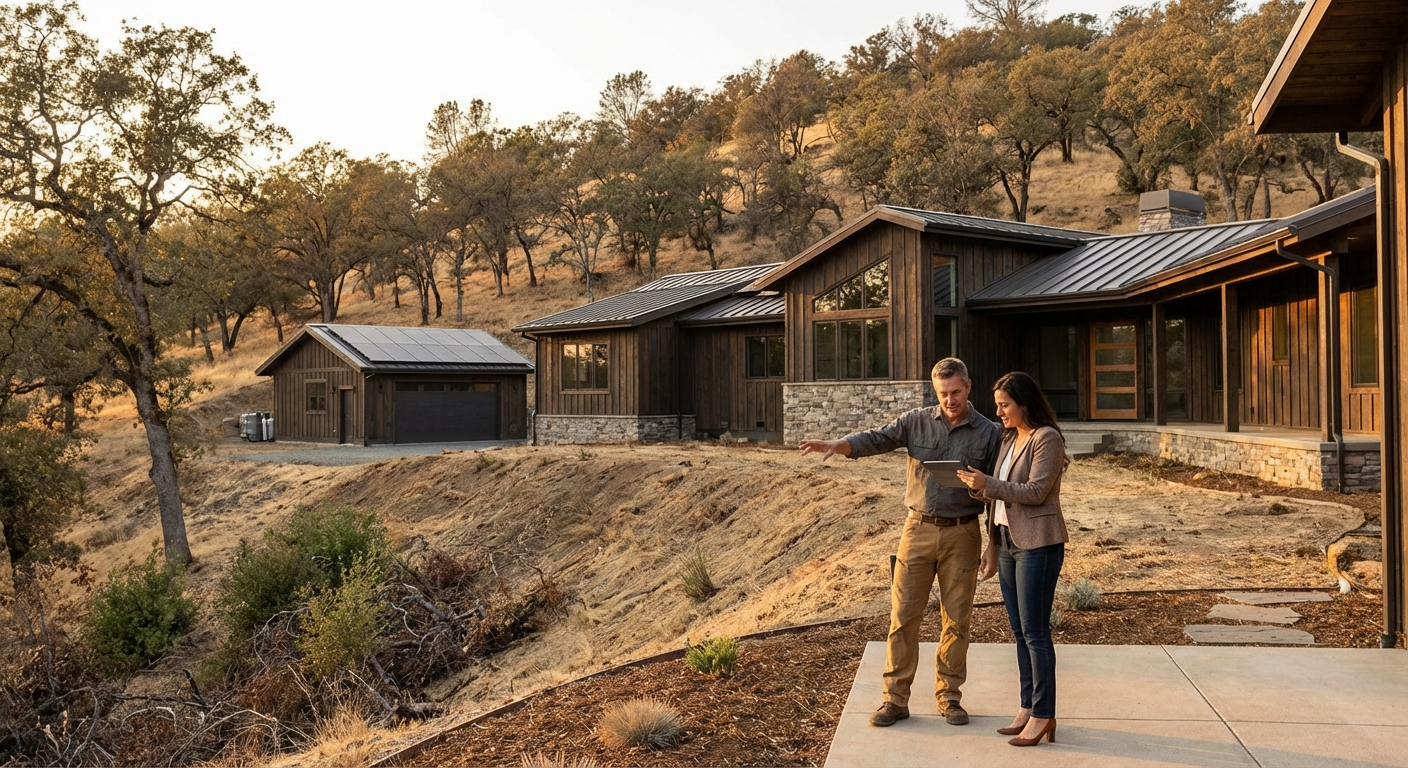
Which brings up something most people miss. With these new risk models, home hardening isn’t just a good idea; it’s becoming a requirement for getting – and keeping – affordable coverage. The CDI is pushing for insurers to offer discounts and even guarantee coverage to homeowners who invest in making their properties more resilient to wildfires. We’re talking about things like:
- Defensible Space: Clearing brush, trimming trees, and removing flammable materials at least 100 feet from your home.
- Fire-Resistant Roofing: Replacing old wood shake roofs with Class A fire-rated materials.
- Ember-Resistant Vents: Upgrading attic and foundation vents to keep out flying embers.
- Fire-Resistant Siding and Decks: Using materials that won’t ignite easily.
- Enclosed Eaves: Sealing up open eaves to prevent ember intrusion.
You might be eligible for state grants or local programs to help with these costs. It’s an investment, sure, but it could be the difference between getting coverage from a major insurer or being relegated to the FAIR Plan. And believe me, while the FAIR Plan is a lifeline, it’s not always the ideal long-term solution.
If you’re wondering what specific steps you should take, or how to even start, it’s a good time to talk to an expert. Karl Susman at Los Angeles Homeowner Insurance, CA License #OB75129, has been helping California homeowners through these changes for years. Give his team a call at (877) 411-5200. They can help you understand what measures might make the biggest difference for your home.
The FAIR Plan: Expanding, But Still a Last Resort
The California FAIR Plan, our state’s “insurer of last resort,” has been a lifesaver for thousands of homeowners who couldn’t find coverage anywhere else. It’s been expanding its coverage limits and trying to keep up with demand. But wait — it’s still a basic policy. It doesn’t offer all the bells and whistles you’d get from a standard insurer, and often, it’s more expensive. Plus, you usually need a “wrap-around” policy from another insurer to cover things like liability, theft, or water damage that the FAIR Plan doesn’t touch.
The hope with the 2026 reforms is that fewer people will *need* to rely on the FAIR Plan. If more insurers come back and offer policies, the market becomes healthier for everyone. But for now, it remains a critical option for many, especially those in high-risk areas.
What Can You Do Now to Prepare for 2026?
Don’t just wait and see. Taking action now can put you in a much better position when these new requirements fully roll out:
- Assess Your Home’s Risk: Use online tools (like those from CalFire or your county fire department) to understand your wildfire risk score.
- Start Hardening: Even small steps make a difference. Clear leaves from gutters, trim low-hanging branches, move firewood away from your house.
- Review Your Current Policy: Understand what you’re covered for, what your deductibles are, and when your policy renews.
- Talk to an Expert: An independent insurance agent like Karl Susman can help you compare options, understand your specific risks, and connect you with insurers who might be a better fit. They work for *you*, not for a single insurance company.
The market is changing, and it’s confusing. You might feel overwhelmed, or like you’re fighting an uphill battle just to protect your home. That’s a completely normal feeling right now. But you don’t have to face it alone.
Seriously, getting good advice makes a world of difference. You can start by getting a personalized quote right now. Visit losangeleshomeownerinsurance.com/quote/ to see what your options look like. Or, if you prefer to talk it through, reach out to Karl Susman and his team at Los Angeles Homeowner Insurance. They’ve seen it all, and they’re ready to help you find the best coverage for your home and your peace of mind.
Frequently Asked Questions About California Home Insurance in 2026
Will my home insurance rates definitely go up in 2026?
The short answer is maybe. The real answer is more complicated. The goal of the reforms is to stabilize the market, which could mean more competitive rates for some and higher rates for others, especially if your home is in a high-risk area and hasn’t been hardened. Insurers will have more flexibility in pricing, so it really depends on your specific property and risk profile.
What if I live in a low-risk area, like the middle of the Valley? Will these changes affect me?
Yes, they will. While wildfire risk is a huge driver, the overall regulatory changes affect the entire market. Insurers might become more willing to write policies across the board, which could indirectly benefit you through more options and potentially better rates. Plus, other risks like water damage, liability, or theft are still big concerns, and those rates can shift too.
Is “home hardening” mandatory? What if I can’t afford it?
It’s not mandatory in the sense that the state will force you to do it. However, it’s becoming increasingly necessary to secure good coverage from traditional insurers. The CDI is pushing for discounts and incentives for hardening, and some state and local programs offer financial assistance. It’s a significant investment, but one that can pay off in lower premiums and greater peace of mind.
Should I switch insurance companies now or wait until 2026?
It’s always a good idea to review your policy annually and shop around. Waiting until 2026 might mean you miss out on better rates or coverage that’s available today. An independent agent can help you compare current options and advise you on the best timing. You can get started with a quote here: losangeleshomeownerinsurance.com/quote/.
This article is for informational purposes only and does not constitute financial advice.