When Your Home is Unlivable: Understanding Additional Living Expenses
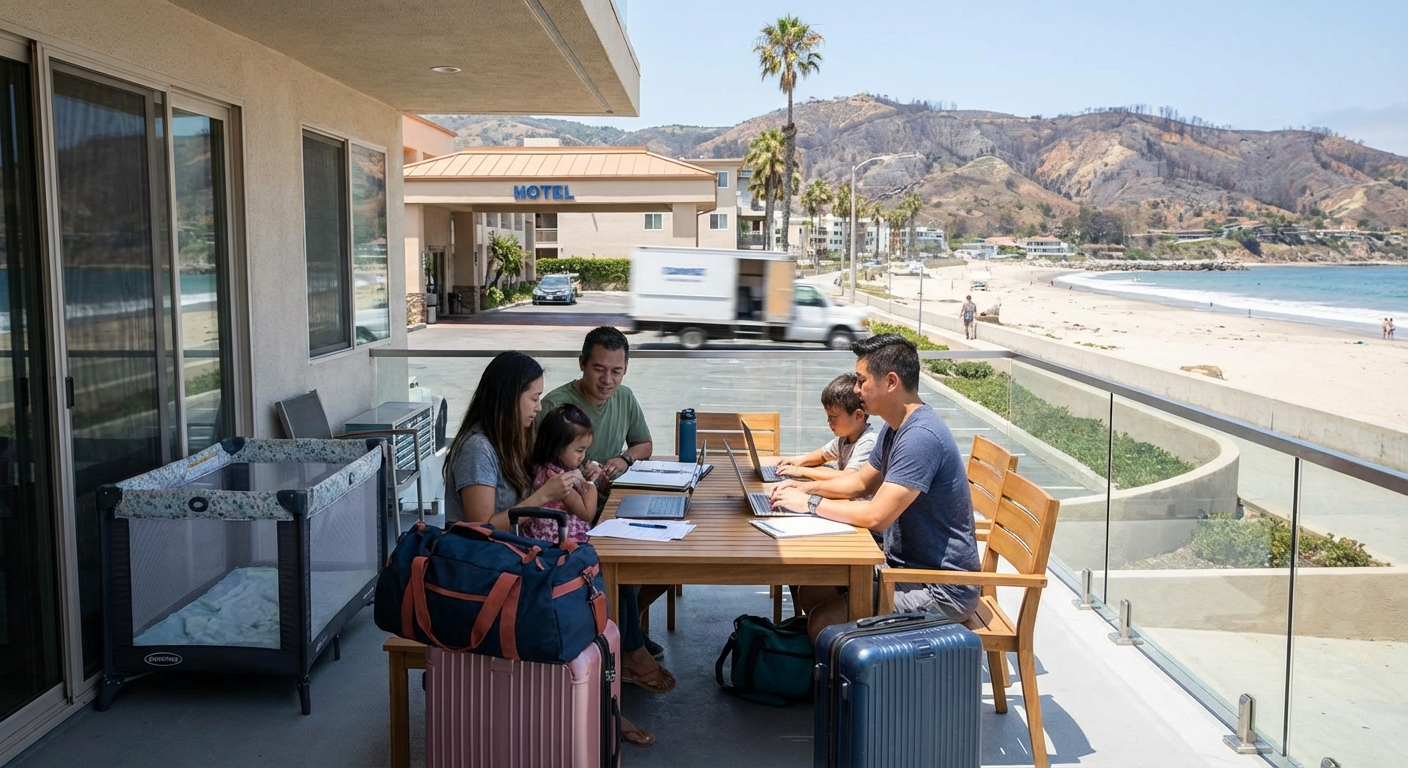
Imagine the unthinkable. A fire rips through your Ventura County neighborhood. Or maybe a pipe bursts, flooding your kitchen and forcing you out for weeks. Where do you go? How do you pay for it all? This is where Additional Living Expenses (ALE) — sometimes called Loss of Use — steps in. It’s a critical part of your California home insurance policy, designed to cover the extra costs you face when a covered disaster makes your home uninhabitable.
For most California homeowners, the thought of being displaced is a real fear. Wildfires, especially, have made this a stark reality for thousands across the state, from the hills of Malibu to the communities in the Inland Empire. When your home is damaged, the last thing you need to worry about is finding a place to sleep or feeding your family. That’s what ALE is for.
What Exactly Does ALE Cover?
Simply put, ALE covers the *increase* in your normal living expenses. It’s not about giving you a free vacation. It’s about maintaining your family’s standard of living as closely as possible while your home is being repaired or rebuilt.
Think about it. You’re still paying your mortgage, your utilities. But now you’ve got new bills too.
What kind of bills? Here’s a rundown:
* **Temporary housing:** This is often the biggest one. A hotel room, a rental apartment, or even a short-term lease.
* **Restaurant meals:** If your temporary digs don’t have a kitchen, or if it’s impractical to cook, your insurer will cover the difference between what you normally spend on groceries and what you’re now spending eating out.
* **Laundry services:** No washer and dryer? You’ll need to pay for a laundromat or a service.
* **Transportation:** Sometimes, you might need to drive further to work or school from your temporary spot. Gas mileage can add up.
* **Pet boarding:** Your furry friends need somewhere to stay too.
* **Storage costs:** If your belongings need to be moved out of your damaged home and stored safely.
The key phrase here is “reasonable and necessary.” Insurers expect you to make sensible choices. They won’t pay for a five-star resort if a comfortable three-star hotel is available. They also won’t cover things you would have paid for anyway, like your regular grocery bill – only the *increase* if you’re forced to eat out more.
The California Reality: Why ALE Matters So Much Here
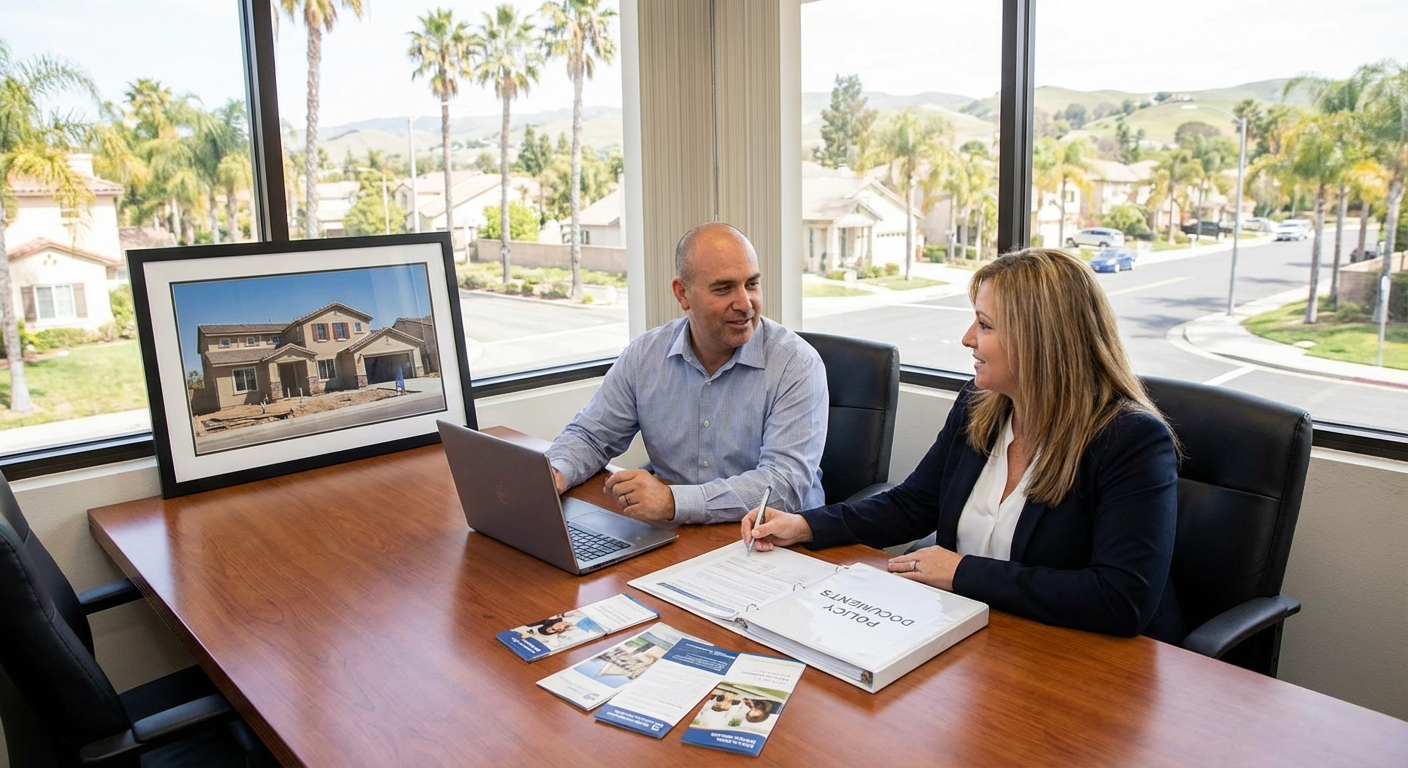
California’s housing market is expensive. We all know that. Renting a temporary place in Los Angeles, San Diego, or even a smaller city like Santa Rosa, can quickly drain your savings. This is why a robust ALE limit is so incredibly important for homeowners in the Golden State.
Consider the time it takes to rebuild after a major disaster. After the Camp Fire in Paradise, or the Woolsey Fire in Malibu, many families were displaced for years, not just months. Permitting, contractor availability, material shortages — these things drag out the process. Your ALE coverage needs to last as long as you’re genuinely unable to live in your home.
Here’s where it gets interesting. Most standard home insurance policies offer ALE coverage as a percentage of your dwelling coverage — usually 10% to 20%. So, if your home is insured for $500,000, you might have $50,000 to $100,000 in ALE coverage. Does that sound like enough to cover a year or two of temporary housing and extra expenses in California? For many, it’s not. Especially if you’re living in a high-cost area.
That’s not the whole story. Some policies offer an “unlimited” ALE benefit, or a higher percentage, but these are becoming less common or come with higher price tags as insurers tighten their belts in California. State Farm, for instance, made headlines when they stopped writing new policies in the state, citing wildfire risk and rising reconstruction costs. Other insurers like AAA and Farmers have also adjusted their offerings. This shifting landscape means you really need to scrutinize your policy.
Understanding Your ALE Limits and Timeframes
Every policy has a limit on how much the insurer will pay for ALE. This limit is usually expressed in two ways:
1. **A dollar amount:** For example, $75,000.
2. **A time limit:** Often 12 or 24 months.
Whichever comes first, that’s when your ALE coverage stops. You hit $75,000 in expenses after 10 months? Coverage ends. You’ve been out of your home for 24 months but only spent $60,000? Coverage ends.
Which brings up something most people miss. If you’re forced out of your home by a wildfire and it takes 30 months to rebuild, and your policy only covers 24 months of ALE, you’re on your own for those last six months. That’s a huge financial hit.
Some policies offer an “extended” ALE option, which can give you more time or a higher dollar amount. It’s an extra layer of protection that many California homeowners should seriously consider, given the state’s unique challenges.
Making a Claim: What to Expect
When disaster strikes, contacting your insurance agent is step one. Karl Susman at Los Angeles Homeowner Insurance, CA License #OB75129, has helped countless Californians through these tough times. He’ll guide you through the initial steps.
The insurer will want to verify that your home is indeed uninhabitable due to a covered peril. Then, they’ll ask you to keep meticulous records of all your extra expenses. Every receipt for a hotel, every restaurant bill, every laundry service charge. You’ll need to submit these for reimbursement.
It sounds like a lot of paperwork. It is. But it’s essential for getting paid back.
Sometimes, the insurer might offer to pay a lump sum upfront or directly pay for certain services, like a temporary rental. This can be a huge relief, saving you from fronting large amounts of cash. Always ask about these options.
The Importance of Reviewing Your Policy Annually
Honestly, this is one of the most overlooked parts of homeownership. Most people just pay their premium and forget about it. But the insurance market in California is constantly changing. Premiums have jumped, coverage options have shifted, and what was adequate five years ago might not be enough today.
Take a hard look at your policy’s ALE limits. Does it reflect the true cost of temporary living in your specific area? If you live in Orange County or the Bay Area, temporary housing costs are significantly higher than in, say, parts of the Central Valley.
Don’t just assume you’re covered. Read the fine print. Ask questions.
If you’re concerned about your current ALE coverage, or if you just want to understand your options better, it’s always a good idea to talk to an expert. Karl Susman and the team at Los Angeles Homeowner Insurance can help you review your policy and ensure you have the protection you need.
Ready to check your coverage or get a new quote? Visit Los Angeles Homeowner Insurance today.
Fair Plan and ALE
For many homeowners in high-fire-risk areas, the California FAIR Plan is the only option for basic fire coverage. The FAIR Plan does offer ALE coverage, but its limits are often more restrictive than standard policies. It’s usually capped at 20% of the dwelling coverage, with a 12-month time limit. This can be a serious shortfall for those facing long rebuild times.
If you have a FAIR Plan policy, you might also have a “Difference in Conditions” (DIC) policy from a private insurer to fill the gaps. Sometimes, the DIC policy will offer additional ALE coverage. It’s a complex setup, but understanding how these two policies interact is crucial for your financial security. Don’t leave it to chance.
What If I Have a Mortgage?
Most mortgage lenders require you to have homeowners insurance. They want to protect their investment. While they care about the dwelling coverage, they also understand the importance of ALE. A homeowner who isn’t financially stressed by displacement is more likely to keep paying their mortgage. So, while your lender won’t dictate your ALE limit, having adequate coverage indirectly benefits them too.
For a personalized review of your home insurance policy, including your ALE coverage, reach out to Karl Susman at Los Angeles Homeowner Insurance, CA License #OB75129, or call (877) 411-5200. You can also get a quote online at Los Angeles Homeowner Insurance.
Frequently Asked Questions About Additional Living Expenses
Does my deductible apply to ALE?
No, your deductible typically applies to the damage to your home itself (dwelling coverage) and your personal property. ALE coverage usually kicks in without a separate deductible.
What if I stay with family or friends? Can I still claim ALE?
Sometimes. If staying with family or friends reduces your normal living expenses, your insurer might not pay out for temporary housing. However, if you incur other additional costs, like increased transportation or eating out more often, those could still be covered. Always keep receipts and discuss it with your claims adjuster.
Is there a limit to how long I can receive ALE benefits?
Yes, your policy will specify both a dollar limit and a time limit (e.g., 12 or 24 months). ALE coverage stops once you hit either of those limits, whichever comes first.
What if my home is damaged but still livable?
ALE only applies if your home is deemed “uninhabitable” due to a covered peril. If you can still live in your home during repairs, even with some inconvenience, ALE generally won’t apply. However, if a portion of your home is unusable and forces you to incur extra costs (like renting a portable kitchen), some policies might offer limited coverage, so it’s always worth asking.
Does ALE cover lost income if I can’t work from home?
No, ALE is specifically for the *additional expenses* of living away from your home. It does not cover lost wages or business income. For that, you’d need a separate business interruption policy if you run a business from home, or rely on disability insurance if you can’t work due to injury.
This article is for informational purposes only and does not constitute financial advice.