
What You’ll Learn
- Why vacation home insurance in California isn’t like insuring your primary residence.
- How your home’s use—personal, occasional rental, or dedicated rental—changes your coverage needs.
- The realities of California’s current insurance market and how it affects second homes.
- The essential types of coverage you absolutely need for peace of mind.
- Special considerations if you rent out your vacation property, even just sometimes.
- How to work with an experienced agent to find the right policy in a tough market.
Understanding Vacation Home Insurance in California
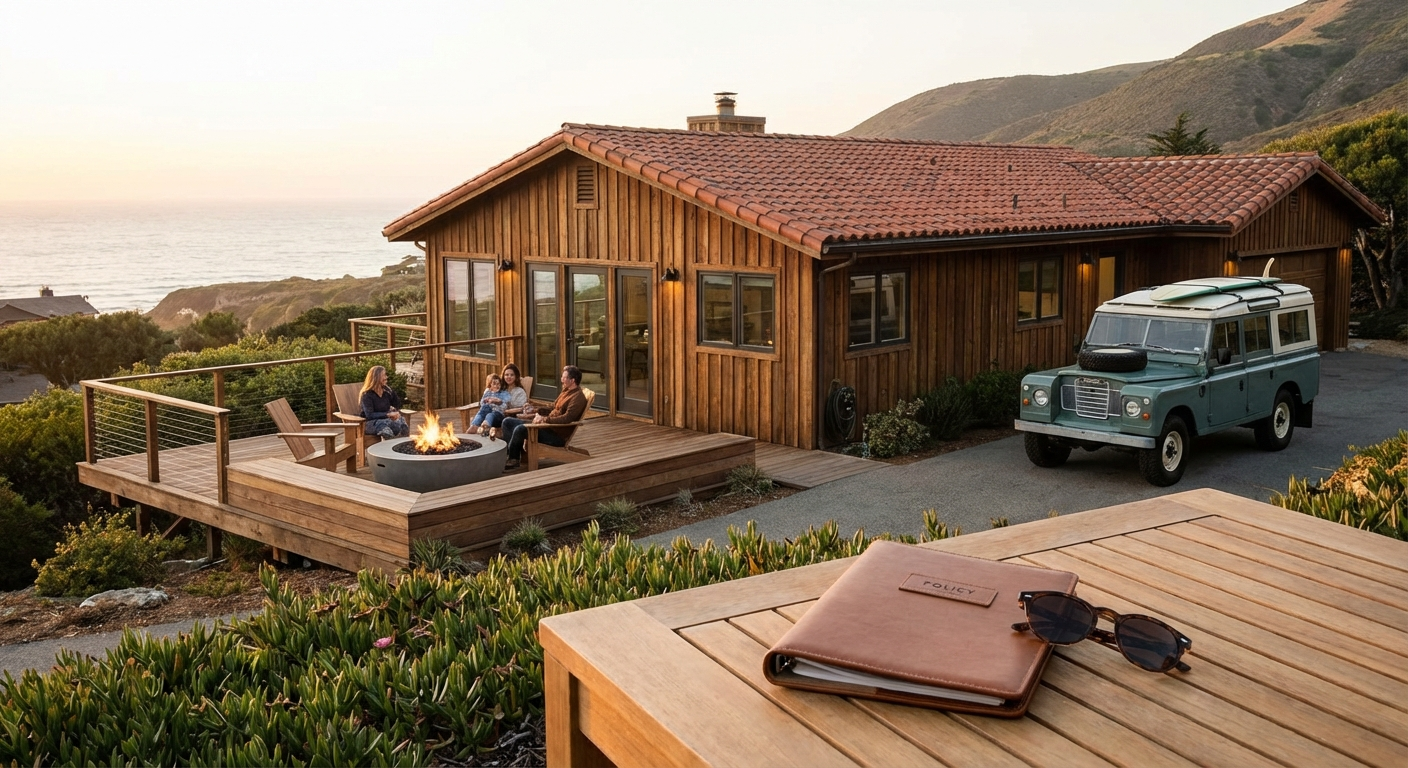
Owning a vacation home in California sounds like a dream, doesn’t it? Picture a cozy cabin in Big Bear, a sunny condo in Palm Springs, or a beach house along the Ventura County coast. You’ve worked hard for this slice of paradise. But protecting that investment with the right insurance? That’s not always as idyllic as the view from your deck.
Honestly, insuring a second home in the Golden State is a different beast entirely from covering your primary residence. For most California homeowners, the market has tightened dramatically. Insurers are pulling back, especially from high-risk areas. Premiums jumped, on average, 40% between 2022 and 2024 for many folks. This shift hits vacation homes even harder. Why? Because they’re often vacant for long stretches, and they’re frequently located in areas prone to wildfires or other natural disasters.

Step 1: Know Your Vacation Home’s Specific Use
Before you even think about policies, you need to be crystal clear about how you plan to use your vacation home. This isn’t a minor detail; it’s the foundation of your coverage. Misrepresenting your usage can lead to denied claims later, and nobody wants that headache.
Personal Use Only
Perhaps you’re the only one who stays there, maybe a few weekends a month or during the summer. You might let close friends or family use it occasionally, but no money ever changes hands. This is the simplest scenario for insurance. Your policy will likely resemble a standard homeowner’s policy, though it’s still considered a “secondary” or “seasonal” home. Insurers see these properties as having a higher risk of undetected issues—like a small leak turning into a big problem—because no one’s there all the time.
Occasional Rental (Airbnb/VRBO)
Here’s where it gets interesting. Say you rent out your Lake Tahoe cabin for a few weeks in winter or your Palm Springs bungalow for Coachella. You’re using platforms like Airbnb or VRBO. This is a common setup, but it introduces a whole new layer of risk for insurers. When guests are paying to stay, your property starts looking less like a personal retreat and more like a business. Standard homeowner policies usually have exclusions for “business pursuits.” This means if a guest slips and falls, or accidentally starts a fire, your personal policy might not cover it. You’ll need specific endorsements or a different type of policy.
Dedicated Rental Property
Maybe your vacation home is strictly an income property, rented out year-round or for most of the year. You might even have a property manager. This scenario is treated almost entirely as a commercial venture. You won’t be looking for homeowner’s insurance; you’ll need a landlord policy or a specific short-term rental policy designed for commercial operations. The risks are higher, the liabilities are greater, and the coverage reflects that.
Step 2: Grasping the California Insurance Market Reality
The insurance market in California is… challenging. That’s putting it mildly. Major carriers like State Farm and Allstate have either stopped writing new policies or significantly restricted what they’ll cover, especially in areas with high wildfire exposure. This isn’t just about the hills of Malibu or the forests around Yosemite; even places like the Inland Empire or parts of the Valley can be affected by the ripple effect of these market shifts.
What does this mean for your vacation home? It means fewer options and potentially higher prices. Many homeowners are finding themselves funneled into the California FAIR Plan. The FAIR Plan is California’s “insurer of last resort.” It guarantees basic fire coverage for properties that can’t get it elsewhere. But here’s the thing: it often only covers fire, sometimes limited extended perils like windstorm or hail. It won’t cover liability, theft, or water damage—all pretty important for a vacation home. You’d need to buy a separate “Difference in Conditions” (DIC) policy to fill those gaps, which adds another layer of complexity and cost.
Which brings up something most people miss. Even if your vacation home isn’t in a designated “high fire severity zone,” the sheer volume of claims from past fires—the Woolsey Fire, the Camp Fire, the 2025 LA fires (hypothetically, but the risk is real)—has made insurers wary across the board. They’re looking at their overall risk exposure throughout the state, not just individual properties.
Step 3: Essential Coverages for Your California Vacation Home
Regardless of how you use your vacation home, certain types of coverage are non-negotiable.
Dwelling Coverage (Structure)
This protects the physical structure of your home—the walls, roof, foundation—from covered perils like fire, wind, and hail. You’ll want enough coverage to rebuild the home entirely if it’s destroyed. Remember, construction costs in California are notoriously high.
Personal Property Coverage
This covers your belongings inside the home—furniture, appliances, clothing, electronics. For a vacation home, you might not have as many high-value items as your primary residence, but you still want to protect what’s there. Be mindful if you leave expensive artwork or jewelry; you might need a separate endorsement for those.
Liability Coverage
This is absolutely essential. It protects you if someone is injured on your property and you’re found responsible. Think about a guest slipping on a wet patio or a neighbor’s child getting hurt while playing in your yard. If you rent out your home, even occasionally, this coverage becomes even more critical. A good policy will offer at least $300,000, but many experts recommend $500,000 or even an umbrella policy for additional protection.
Loss of Use/Fair Rental Value
If a covered peril makes your vacation home uninhabitable, this coverage helps with additional living expenses (if it’s for personal use) or reimburses you for lost rental income (if you rent it out). It’s a lifesaver if you rely on that rental income or need to find temporary housing.
Specific Perils: Wildfire, Earthquake, Flood
In California, these are often handled separately.
- Wildfire: As mentioned, this is a major concern. Standard policies used to include it, but now, many policies in high-risk areas might exclude it or only offer it through the FAIR Plan.
- Earthquake: Standard homeowner policies almost never cover earthquake damage. You’ll need a separate earthquake policy, often from the California Earthquake Authority (CEA) or a private insurer.
- Flood: Likewise, flood damage isn’t covered by standard policies. If your vacation home is in a flood zone (common for coastal properties or near rivers), you’ll need a separate flood insurance policy, typically through the National Flood Insurance Program (NFIP).
Step 4: Special Considerations for Vacation Rentals
If you rent your property, even just a few times a year, you’re stepping into a gray area for many insurers.
The short-term rental endorsement is your friend here. Some insurers will offer an endorsement that extends your personal homeowner’s policy to cover occasional short-term rentals. It’s not always available, and it often comes with strict limits on the number of rental days per year.
But wait—what if you rent more often? Then you might need a different kind of policy altogether. A “Dwelling Fire” policy (often called a DP-3 policy) can work for properties rented out for longer terms, but it’s not ideal for short-term, high-turnover rentals. For dedicated short-term rentals, you might be looking at a specialized commercial policy. This covers business liability and property damage more comprehensively.
It’s absolutely essential to be honest with your insurance agent about your rental plans. If you’re not, and something happens during a rental period, your claim could be denied, leaving you on the hook for potentially hundreds of thousands of dollars.
Step 5: Getting the Right Quote and Agent
Finding the right insurance for a California vacation home isn’t a DIY job, especially in this market. This is where an independent insurance agent becomes invaluable. They work with multiple insurance companies, not just one, and can shop around to find the best options for your specific situation.
Someone like Karl Susman at Los Angeles Homeowner Insurance (CA License #OB75129) has years of experience with the complexities of California’s insurance market. He understands the nuances of vacation home coverage, the FAIR Plan, and the various endorsements needed. An experienced agent can help you navigate the tricky waters of wildfire risk assessments, understand your options for earthquake and flood coverage, and ensure you’re adequately protected for rental activities.
When you’re ready to get a quote, be prepared to provide detailed information:
- The exact address of the property.
- Its construction type (frame, stucco, masonry).
- The year it was built.
- Any updates to the roof, plumbing, electrical, or heating.
- Details about fire protection (fire department, hydrants nearby).
- Your specific usage plans (personal, occasional rental, dedicated rental).
Don’t just go for the cheapest option. Look for the best value—a policy that provides solid coverage from a reputable insurer at a competitive price.
Ready to explore your options? You can get a quote for your California vacation home insurance right here: https://losangeleshomeownerinsurance.com/quote/
Step 6: Managing Costs and Staying Covered
Even with a challenging market, there are steps you can take to manage your insurance costs and improve your chances of getting coverage.
Consider mitigation efforts. If your vacation home is in a wildfire-prone area, creating defensible space around the property is huge. Clearing brush, maintaining landscaping, and having a fire-resistant roof can make a big difference. Some insurers even offer discounts for these improvements. For earthquake risk, retrofitting your home to make it more resilient can sometimes lower your CEA premium.
Also, think about your deductibles. A higher deductible means you pay more out-of-pocket if you have a claim, but it usually lowers your annual premium. Just make sure it’s an amount you’re comfortable paying.
Lastly, review your policy annually. Your needs might change, the property’s value could shift, or the insurance market itself could evolve. An annual check-in with your agent ensures your coverage remains appropriate and keeps you informed about any new options or requirements.
Frequently Asked Questions About California Vacation Home Insurance
1. Is vacation home insurance more expensive than primary home insurance in California?
Yes, almost always. Insurers view vacation homes as higher risk because they’re often vacant for extended periods, increasing the chance of theft, vandalism, or undetected damage. Plus, they’re frequently located in areas with higher natural disaster risks.
2. Can I use my standard homeowner’s policy if I occasionally rent out my vacation home?
Not without a specific endorsement. Most standard homeowner policies exclude “business pursuits,” which includes renting out your property for money. You’ll need to add a short-term rental endorsement or explore a different type of policy to ensure you’re covered.
3. What happens if I can’t get insurance for my vacation home due to wildfire risk?
You might need to turn to the California FAIR Plan, which is the state’s insurer of last resort for fire coverage. However, the FAIR Plan is limited; it typically only covers fire and some extended perils. You’d need to purchase a separate “Difference in Conditions” (DIC) policy to cover other risks like liability, theft, and water damage.
4. Do I need separate earthquake and flood insurance for my California vacation home?
Absolutely. Standard homeowner policies in California almost never include coverage for earthquakes or floods. You’ll need to purchase separate policies, typically from the California Earthquake Authority (CEA) for quakes and the National Flood Insurance Program (NFIP) for floods, if your property is at risk.
5. How can an independent agent help me find vacation home insurance in California?
Independent agents like Karl Susman at Los Angeles Homeowner Insurance (CA License #OB75129) work with multiple insurance carriers. This means they can shop around on your behalf, compare different policies, and find the best coverage and rates for your specific vacation home, even in California’s challenging market. They also understand the nuances of state-specific risks and regulations.
Don’t leave your California vacation home exposed to risk. Start protecting your investment today. Get a personalized quote: https://losangeleshomeownerinsurance.com/quote/
This article is for informational purposes only and does not constitute financial advice.