
Myth: Insuring a Historic Home in California is Impossible.
Honestly, that’s not quite right. It’s tough, yes. Extremely tough, sometimes. But impossible? Not always. For many Californians living in beautiful, old homes — think those charming Victorians in Eureka, the Craftsman bungalows dotting Pasadena, or Spanish Revivals in Santa Barbara — the thought of getting proper home insurance can feel like trying to find a unicorn. Especially lately.
You’ve probably heard the news. Insurers like State Farm and AAA have pulled back. Farmers isn’t writing new policies in some areas. It’s a mess out there for anyone seeking home insurance, let alone for a property with character, history, and often, unique construction challenges. Yet, people *are* still insuring these homes. It just takes a different approach.
Myth: My Standard Policy is Enough.
This is where many historic homeowners get into trouble. They might have an older policy, or they just assume “home insurance” means “home insurance” no matter the age of the structure. Big mistake. A standard HO-3 policy, the most common type, is designed for modern construction. It assumes your roof is asphalt shingle, your plumbing is PEX or copper, and your walls are drywall.
But what if your home has original redwood siding? Or hand-blown glass windows? Perhaps a slate roof that’s seen a century? Maybe intricate plasterwork or custom millwork that simply isn’t mass-produced anymore. Your average policy isn’t going to account for those specialized materials and the skilled artisans needed to repair or replace them. The short answer is yes, you have *some* coverage. The real answer is your coverage likely falls far short of what you’d actually need after a fire or other disaster.
Myth: Market Value is All That Matters for Coverage.
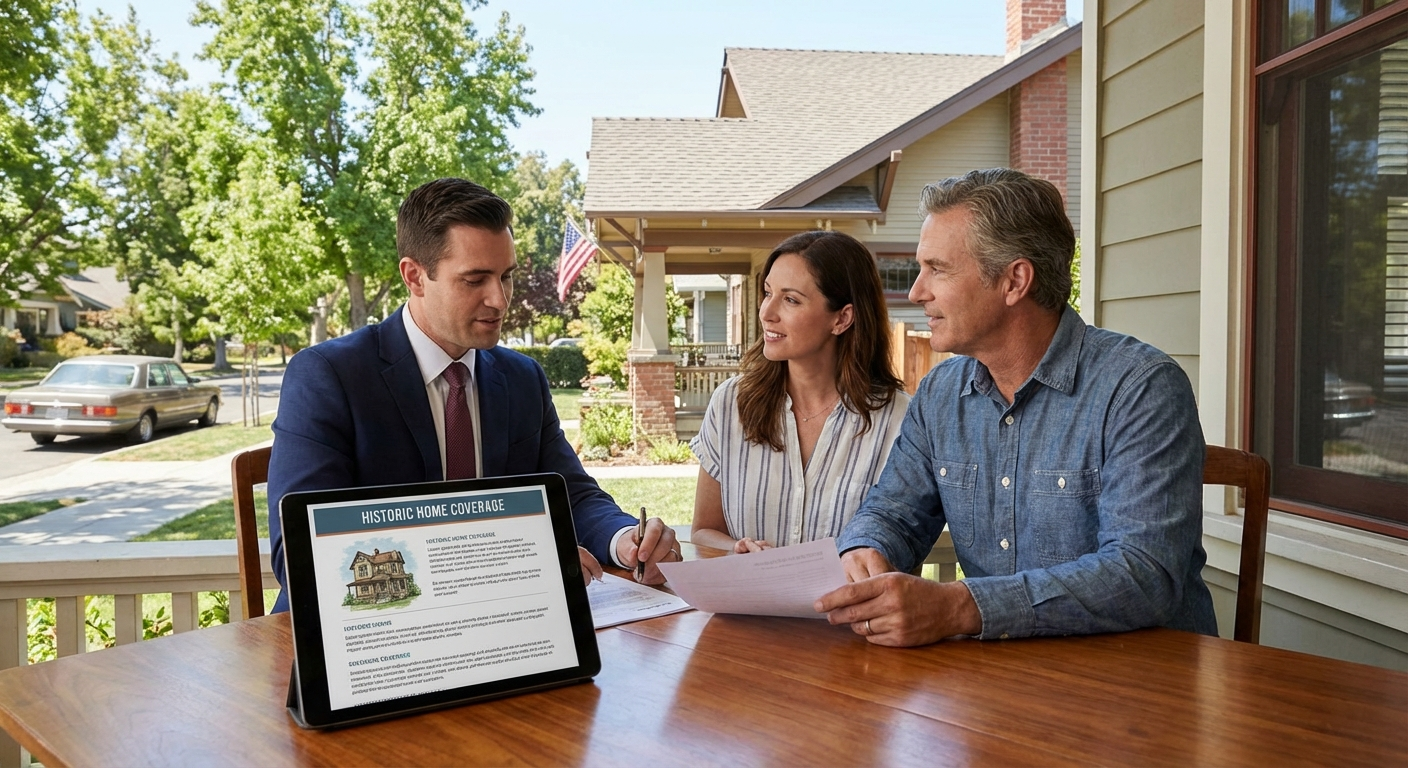
This is perhaps the biggest misconception, and it can leave you financially devastated. For a historic home, its market value — what someone would pay for it today — often has little to do with the cost of rebuilding it.
Think about a gorgeous Queen Anne Victorian in a desirable neighborhood. It might sell for $2 million. But if it burned to the ground, rebuilding it to its original glory, with historically accurate materials and craftsmanship, could easily cost $3 million or more. Why? Because you’re not just buying lumber from Home Depot. You’re sourcing specific types of wood, commissioning custom trim, hiring preservation architects and specialty contractors. These folks charge a premium for their expertise and the scarcity of materials.
This gap between market value and replacement cost is especially wide in California. Building codes here are strict. Earthquake retrofitting might be mandatory during a rebuild. Wildfire hardening measures, like specific roofing materials or defensible space requirements, add to the expense — particularly if your home is in, say, the hills above Ventura County or certain parts of the Inland Empire. You need a policy that covers the *actual cost to rebuild*, not just what the house might fetch on Zillow.
Myth: All Insurance Companies Treat Historic Homes the Same.
Not even close. Many mainstream insurers shy away from older homes, especially those built before 1950. They see increased risk: older wiring, original plumbing, foundations that might not meet current seismic standards, or construction materials that are highly flammable. For them, it’s a numbers game, and historic homes often don’t fit their preferred risk profile.
That’s not the whole story. Some carriers specialize in what’s known as “high-value” or “collector” homes. These companies understand the unique challenges and costs associated with historic properties. They often offer specialized endorsements for things like:
* **Ordinance or Law Coverage:** This pays for the increased costs of rebuilding to current building codes, which can be a huge factor for an old house.
* **Agreed Value Coverage:** Instead of trying to calculate replacement cost after a loss, you and the insurer agree on a specific rebuild value upfront. This offers incredible peace of mind.
* **Cash Settlement Option:** Some policies allow you to take a cash settlement instead of rebuilding, giving you flexibility if you decide not to restore the home.
* **Specialty Materials and Craftsmanship:** These policies specifically account for the expense of replicating period-specific details.
Finding these insurers often means working with an independent insurance agent who has access to a broader range of companies. Someone like Karl Susman at Los Angeles Homeowner Insurance knows these specialty carriers. He holds CA License #OB75129 and helps folks find coverage for unique situations all the time. You can reach his team at (877) 411-5200.
Myth: Being in a Historic District Automatically Helps My Insurance.
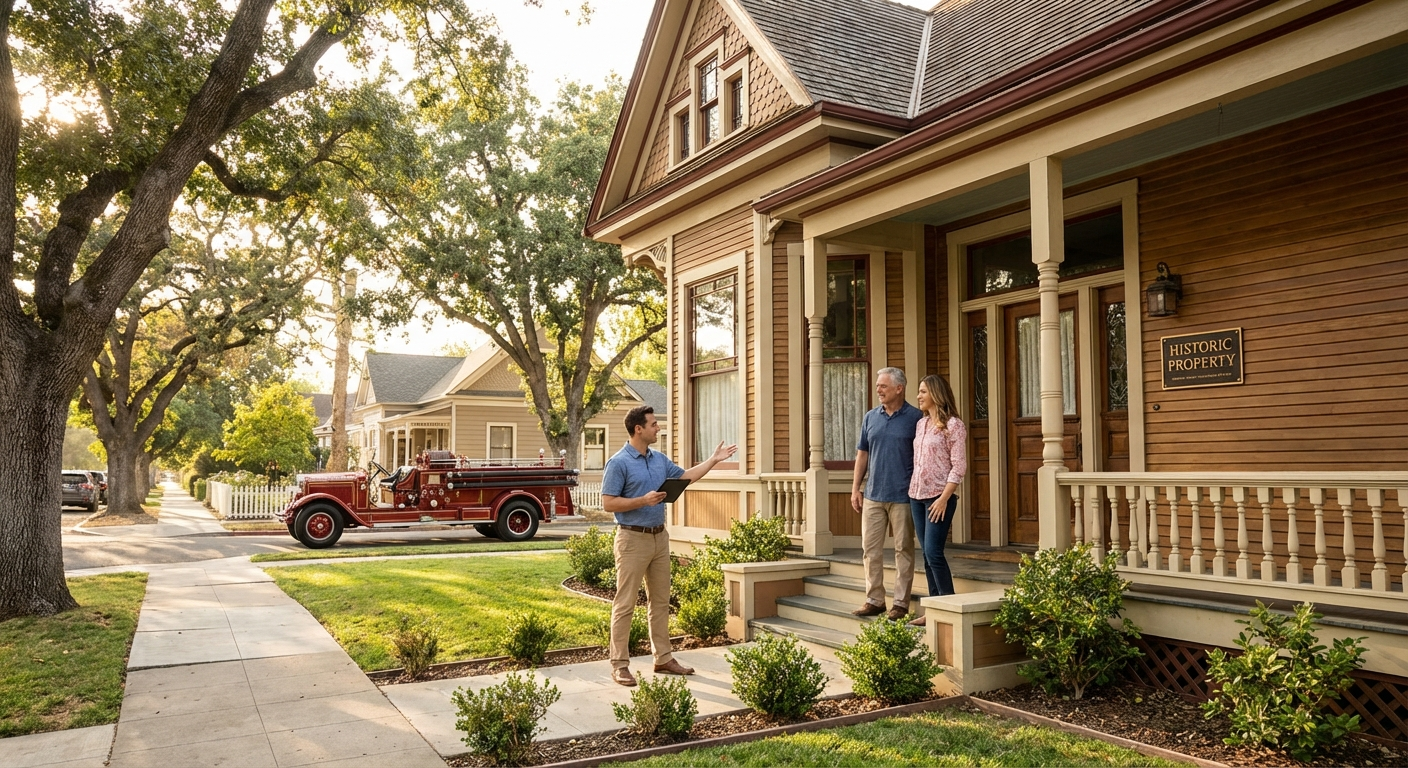
This one’s a mixed bag. On one hand, being in a designated historic district means your home is recognized for its architectural or cultural significance. That can feel good. On the other hand, it often comes with strict preservation guidelines. If your home is damaged, you might be required to rebuild it exactly as it was, using specific — and expensive — materials and methods. This can drive up your rebuild costs significantly.
Which brings up something most people miss. While a historic district might protect your home’s aesthetic, it doesn’t necessarily protect it from a wildfire or an earthquake. In fact, many historic homes are in older neighborhoods that might be nestled in canyons or hillsides, increasing fire risk. Or they’re in areas prone to seismic activity, and their unreinforced masonry or older foundations are vulnerable.
The insurance company doesn’t care if your home has a plaque. They care about risk. And in California, the risk landscape has changed dramatically. Premiums for many homeowners jumped 40% or more between 2022 and 2024. Wildfires, like the devastating 2025 LA fires (projected scenarios, but you get the idea), are a constant threat. The FAIR Plan, California’s insurer of last resort, has stepped in for countless homeowners, but it offers more basic coverage and can still be expensive.
Myth: There’s Nothing I Can Do About High Costs.
That’s a defeatist attitude, and it’s not entirely true. While you can’t control the overall market or Prop 103’s impact on rate approvals, you *can* take steps to make your historic home more appealing to insurers and potentially reduce your premiums.
1. **Update Systems:** Old wiring and plumbing are red flags. Updating these to modern standards can significantly reduce fire and water damage risk.
2. **Roof Replacement:** An old wood shake roof is a huge fire hazard. Replacing it with a Class A fire-rated material (like tile, metal, or composition shingle) is a big win for insurers.
3. **Defensible Space:** If you’re in a wildfire-prone area, creating and maintaining defensible space around your home is non-negotiable. Clear brush, trim trees, move firewood away from the house.
4. **Earthquake Retrofitting:** If your home is unreinforced masonry or has a cripple wall foundation, consider retrofitting. This can make a substantial difference in earthquake vulnerability.
5. **Work with a Specialist:** This is probably the most important step. Don’t just call the first agent you see. Find someone who understands historic homes and the unique California market. They’ll know which carriers to approach and how to best present your property.
Finding the right coverage for a historic home in California takes patience and persistence. It means understanding the nuances of your property and the current insurance climate. But it’s absolutely worth the effort to protect your unique piece of history.
Ready to explore your options for historic home coverage in California? You can start by getting a personalized quote.
Frequently Asked Questions About Historic Home Insurance in California
Q: What’s the difference between “replacement cost” and “actual cash value” for a historic home?
A: Replacement cost pays to rebuild your home exactly as it was, using similar materials and craftsmanship, without deducting for depreciation. Actual cash value (ACV) pays the replacement cost minus depreciation. For a historic home, ACV would leave you with far less money than you’d need to rebuild, because old materials are often considered to have depreciated significantly, even if they’re expensive to replace.
Q: Will my historic home automatically qualify for the California FAIR Plan if I can’t find other insurance?
A: The FAIR Plan is designed to be a last resort for properties unable to secure coverage in the traditional market. Your historic home *could* qualify, especially if it’s in a high-risk wildfire area. However, the FAIR Plan typically provides basic fire coverage and often requires you to purchase a separate “Difference in Conditions” policy for other perils like liability, theft, or water damage. It’s not a full-service policy like what you’d get from a standard carrier.
Q: Do I need a special appraisal for my historic home to get proper insurance?
A: Yes, it’s often a very good idea. A standard real estate appraisal focuses on market value. For insurance, you need a reconstruction cost estimate from a specialized appraiser or contractor who understands historic architecture and the cost of period-appropriate materials and labor. This helps ensure your policy’s dwelling coverage limit is accurate.
Q: My home is over 100 years old. Is it too old to get insured at all?
A: Not necessarily. While age is a factor, the condition of your home and its updated systems matter more. A well-maintained 100-year-old home with updated electrical, plumbing, and roofing might be more insurable than a 70-year-old home that’s been neglected. It all comes down to risk assessment.
Q: How can Karl Susman and Los Angeles Homeowner Insurance help with my historic home insurance?
A: Karl Susman, CA License #OB75129, and his team specialize in finding solutions for challenging insurance situations in California, including historic homes. They work with a network of specialty carriers that understand the unique needs of older properties, helping you find policies that truly cover the cost of rebuilding with period-appropriate materials and craftsmanship. You can call them at (877) 411-5200 for expert guidance.
Ready to get a quote and protect your historic California home? Start here: Get Your Quote
This article is for informational purposes only and does not constitute financial advice.
Ready for Your Free Quote?
No obligation. Takes 2 minutes. Speak with Karl Susman and the team at Los Angeles Homeowner Insurance.